The Owlet Sock is a smart baby monitor that tracks a baby’s average oxygen saturation and heart rate during sleep using pulse oximetry technology. It connects wirelessly to a Base Station and the Owlet Dream App, providing real-time data and sleep insights for healthy infants aged 1-18 months. This device offers peace of mind by notifying parents if readings fall outside personalized preset zones, transforming anxious nights into opportunities for serene slumber.
What Exactly is an Owlet Sock?
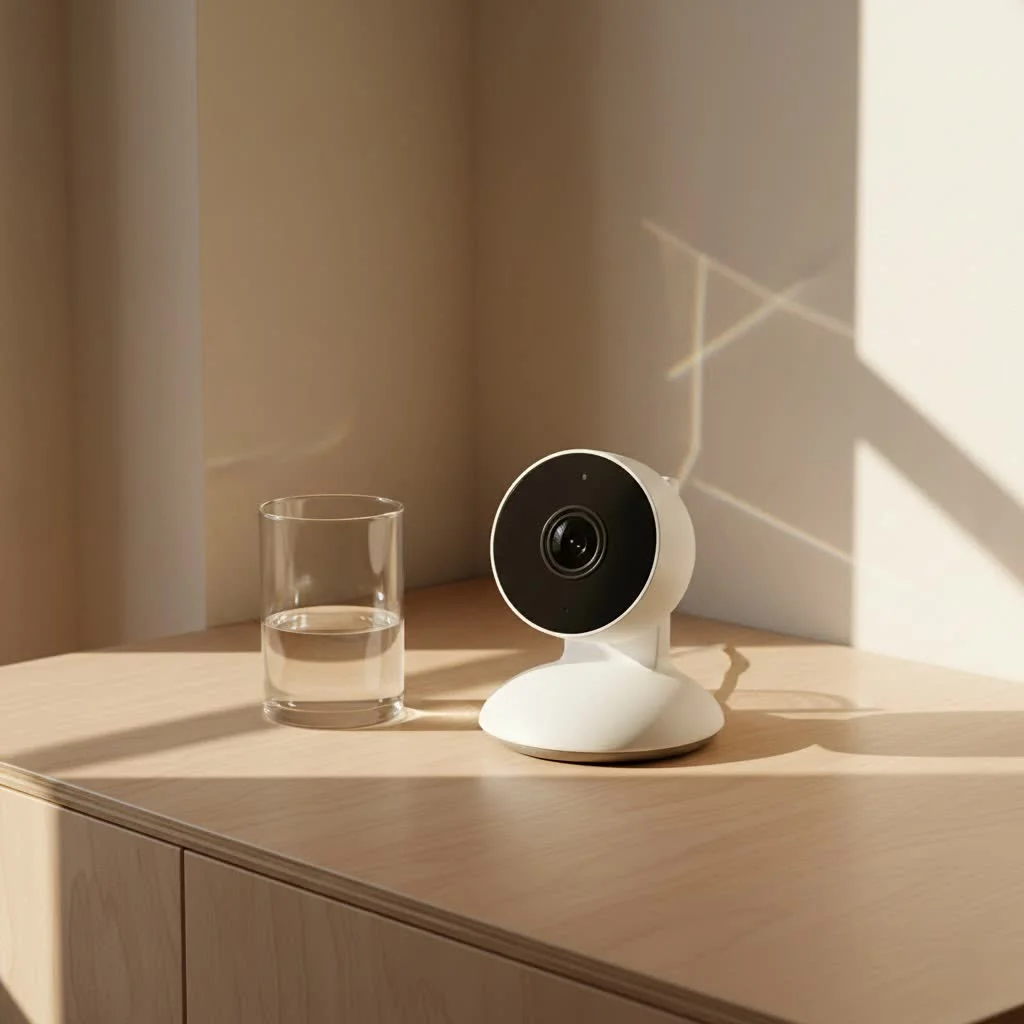
At its heart, the Owlet Sock is a smart baby monitor that gently wraps around your baby’s foot. Utilizing advanced pulse oximetry technology—the same non-invasive method used in hospitals—it tracks your baby’s average oxygen saturation and heart rate while they sleep. This tiny, fabric sock is connected wirelessly to a Base Station and the Owlet Dream App on your smartphone, providing you with real-time data and invaluable sleep insights.
The journey of the Owlet Sock began with the Smart Sock, and it has since advanced to the Owlet Dream Sock, which has received FDA clearance for its oxygen and heart rate notification features for healthy infants aged 1-18 months. This distinction is crucial: while it offers sophisticated monitoring, it’s designed as a wellness device to provide peace of mind and not a medical device intended to diagnose, treat, or cure any disease. It’s about empowering parents with data and timely notifications, not replacing professional medical care.
Why Do Parents Consider the Owlet Sock?
The primary driver for parents investing in an Owlet Sock is undeniably peace of mind. Those first few months are often filled with “checking in” on a sleeping baby, a ritual that can disrupt sleep for both parent and child. The Owlet Sock aims to alleviate this constant worry by offering:
- Continuous Monitoring: It silently watches over your baby, allowing you to rest easier knowing that if readings fall outside preset zones, you’ll be notified.
- Detailed Sleep Insights: Beyond just vitals, the Owlet Dream App provides comprehensive sleep trend data, helping you understand your baby’s sleep patterns, awake times, and overall sleep quality. This can be incredibly useful for establishing healthy sleep routines.
- Early Alerts: While not a medical device, the ability to receive alerts for significant changes in oxygen saturation or heart rate offers an extra layer of reassurance for many families.
“The Owlet Sock offers a level of insight into an infant’s physiological state during sleep that was once only available in a clinical setting. For many parents, this data empowers them and reduces anxiety,” explains Dr. Evelyn Reed, a pediatric technology specialist.
Key Features and Technology to Understand
When considering the Owlet Sock, understanding its core features is key to appreciating its value:
- Pulse Oximetry Technology: The tiny sensor within the sock shines red and infrared light through your baby’s skin to measure blood oxygen levels and heart rate. It’s safe, non-invasive, and remarkably accurate when used correctly.
- The Base Station: This small, sleek device is the hub of the Owlet system. It glows green to indicate normal readings and alerts you with lights and sounds if readings leave the personalized preset zones. It’s designed to be placed within range of your baby’s crib and within earshot.
- Owlet Dream App: Your digital dashboard for all things Owlet. The app displays real-time readings, historical data, and personalized sleep trends. You can customize notification settings and track your baby’s progress over time.
- Comfort and Fit: The Owlet Sock comes with multiple fabric sock sizes to ensure a snug and comfortable fit as your baby grows, typically accommodating infants from 1 to 18 months or 6 to 30 lbs. A proper fit is essential for accurate readings and preventing skin irritation.
- Wireless Connectivity (Wi-Fi): The system relies on your home Wi-Fi network to transmit data to the app, making setup straightforward for most households.
Setting Up and Using Your Owlet Sock
Getting started with your Owlet Sock is designed to be a smooth process, but a few tips can ensure optimal performance:
- Unboxing and Charging: Begin by fully charging the sock sensor using the provided charging cord. This ensures it’s ready for its first use.
- App Download and Pairing: Download the Owlet Dream App from your smartphone’s app store. Follow the in-app instructions to create an account and pair your sock and Base Station. Ensure your Wi-Fi network meets the device’s requirements.
- Proper Sock Placement: This is crucial for accuracy. Choose the correct sock size for your baby’s foot. Place the sensor on the outside of their foot, just below the pinky toe, with the fabric sock gently but firmly secured. Ensure the sensor sits flat against the sole of the foot and isn’t too tight or too loose.
- Understanding Alerts: Familiarize yourself with the different types of notifications the Base Station and app can provide. The color of the Base Station’s light and the accompanying sounds indicate the nature of the alert. It’s important to differentiate between informational notifications and critical alerts.
- Routine Checks and Maintenance: Regularly check the sock for wear and tear. Clean the fabric socks as directed, and ensure the sensor is free of debris. Consistent use requires adherence to these simple maintenance steps.
Addressing Common Concerns and Misconceptions
Despite its popularity, the Owlet Sock sometimes faces questions. Here are common concerns addressed:
Is the Owlet Sock a Medical Device?
|
Our Picks for the Best Baby Monitor in 2026
As an Amazon Associate I earn from qualifying purchases.
|
||
| Num | Product | Action |
|---|---|---|
| 1 | HelloBaby Upgrade 5’’ Baby Monitor with 30-Hour Battery, 2 Cameras Pan-Tilt-Zoom, 1000ft Range Video Audio Baby Monitor No WiFi, VOX, Night Vision, 2-Way Talk, 8 Lullabies and Temperature |

|
| 2 | HelloBaby 4.3\'\' Video Baby Monitor with 30 Hours Battery, Remote Pan-Tilt-Zoom Baby Monitor No WiFi, Baby Monitor with Camera and Audio, Night Vision, ECO Mode, Two-way Talk, 8 Lullabies, 1000ft Range |
|
| 3 | VTech Upgraded Audio Baby Monitor with Rechargeable Battery, Long Range, and Crystal-Clear Sound |
|
| 4 | HelloBaby Baby Monitor 6\" World First IPS Screen 30H Battery, Secure No WiFi, Pan Tilt Video Camera with Night Vision, VOX, 2-Way Talk, 1000ft, Portable Video Audio Monitor Ideal for Mom, Elderly, Pet |
|
| 5 | HelloBaby 6\'\' World First IPS 30H Battery Split-Screen Video Baby Monitor with Camera and Audio, No WiFi, Pan-Tilt-Zoom, VOX, 2-Way Talk, Night Vision, 8 Lullabies, 1000ft, for New Parents/Elderly |
|
| 6 | Baby Car Camera for Kids - 5\" 1080P IPS Suction Cup Monitor, 120° Wide-Angle & 360° Rotatable, IR Night Vision Easy Installation Backseat |
|
| 7 | HelloBaby No WiFi Baby Monitor 5\" Screen 30-Hour Battery Pan-Tilt-Zoom Video Upgrade with Camera and Audio, Night Vision, VOX, 2-Way Talk, 8 Lullabies and 1000ft Range, HB6550 |
|
| 8 | Jartoo 2K 5.5\" Video Baby Monitor with Camera and Audio,AI Cry Detect 1860ft Long Range Baby Monitor No WiFi Baby Camera Wireless,Clear Night Vision,ANC, 2-Way Talk,White Noise,6000mAh [2025 New] |
|
| 9 | Baby Monitor with Camera and Audio, Video Baby Monitor No WiFi Night Vision 2.4\" LCD Screen Portable Baby Camera Monitor Alarm Lullaby Temperature Sensor and 1000ft, Ideal for Baby/Elderly/Pet |
|
| 10 | VTech VM819 Baby Monitor with Camera and Audio, 2.8” Screen Portable Baby Camera, Night Vision, 2-Way Audio, Temperature Sensor and Lullabies, Secure Transmission No WiFi, Ideal for Baby/Elderly/Pet |
|
The Owlet Dream Sock is not a medical device. While it is FDA-cleared for its oxygen and heart rate notifications for healthy infants (1-18 months), it is designed for wellness monitoring and providing insights into sleep patterns, not for diagnosing, treating, or preventing any medical condition. It’s a tool for parental reassurance and sleep tracking, working best for healthy babies.
What About False Alarms?
Older versions of smart socks sometimes faced issues with false alarms, often due to improper sock placement, movement, or Wi-Fi connectivity. Newer versions and improved software aim to minimize these occurrences. Ensuring the sock is correctly fitted and your Wi-Fi is stable can significantly reduce false alarms, leading to more reliable monitoring.
Is Wi-Fi Dependency a Problem?
The Owlet Sock relies on Wi-Fi for data transmission to your smartphone app. If your Wi-Fi goes down, the Base Station can still function independently, sounding an alarm if vital readings fall outside safe zones. However, you won’t receive app notifications or access historical data until connectivity is restored.
Can it Cause Skin Irritation?
In rare cases, prolonged contact or an improper fit can lead to mild skin irritation. To prevent this, ensure the sock fits correctly, alternate feet nightly, and follow cleaning instructions. If irritation occurs, discontinue use and consult your pediatrician.
Is the Cost Justified?
The Owlet Sock represents a significant investment compared to basic audio or video monitors. However, for parents seeking enhanced peace of mind, comprehensive sleep data, and proactive alerts, the perceived value often outweighs the cost. It’s an investment in reassurance and detailed insights into your baby’s rest.
Is the Owlet Sock Right for Your Family?
Deciding if the Owlet Sock is the right choice for your family involves weighing your priorities and comfort levels. It can be particularly beneficial for:
- Anxious First-Time Parents: Provides an extra layer of reassurance, helping to ease common new-parent worries.
- Parents of Babies with Specific Concerns (with doctor consultation): While not a medical device, some parents find it helpful for healthy infants to track patterns alongside professional medical guidance. Always consult your pediatrician if you have health concerns.
- Data-Driven Parents: Those who appreciate understanding sleep trends and patterns to optimize their baby’s sleep environment and routine will find the app’s insights valuable.
the Owlet Sock is generally complementary to, rather than a replacement for, traditional video or audio baby monitors. A video monitor lets you visually check on your baby, while the Owlet Sock provides physiological data. Together, they can offer a comprehensive view of your baby’s nursery environment and well-being.
Conclusion
The Owlet Sock represents a significant leap forward in baby monitoring technology, offering a sophisticated blend of peace of mind, valuable sleep insights, and proactive alerts. It’s a shows how innovation can support parents in their incredible journey. By understanding its features, proper usage, and addressing common misconceptions, you can confidently decide if this smart sock is the right addition to your family’s baby care toolkit. When you’re seeking a deeper level of reassurance during those precious hours of sleep, the Owlet Sock provides a modern solution, allowing you to breathe a little easier and enjoy the magic of parenthood with greater confidence. We at Wocrt are committed to helping you navigate these choices, ensuring you have the knowledge to create the safest and most nurturing environment for your little ones.
Frequently Asked Questions
What is the primary function of the Owlet Sock for baby monitoring?
The Owlet Sock primarily monitors your baby's average oxygen saturation and heart rate while they sleep. It uses pulse oximetry technology to provide real-time data and alerts, offering parents peace of mind by tracking these vital signs for infants aged 1 to 18 months.
Is the Owlet Dream Sock considered a medical device for infants?
No, the Owlet Dream Sock is not a medical device. While it has received FDA clearance for its oxygen and heart rate notifications for healthy infants (1-18 months), it is designed for wellness monitoring and providing sleep insights, not for diagnosing or treating medical conditions.
How does the Owlet Sock help reduce false alarms during monitoring?
Newer versions of the Owlet Sock and improved software are designed to minimize false alarms. Ensuring the sock is correctly fitted to your baby's foot and that your home Wi-Fi network is stable can significantly reduce occurrences of inaccurate alerts, leading to more reliable monitoring.
What happens if my home Wi-Fi network goes down while using the Owlet Sock?
If your home Wi-Fi goes down, the Owlet Sock's Base Station can still function independently. It will sound an alarm if your baby's vital readings fall outside safe zones. However, you will not receive app notifications or access historical data until Wi-Fi connectivity is restored.
Can the Owlet Sock cause skin irritation on a baby's foot?
In rare instances, prolonged contact or an improper fit of the Owlet Sock can lead to mild skin irritation. To prevent this, ensure the sock fits correctly, alternate which foot the sock is worn on nightly, and follow all cleaning instructions. If irritation occurs, discontinue use and consult a pediatrician.
Setting Up and Using Your Owlet Sock
Follow these steps to ensure optimal performance and accurate readings from your Owlet Sock smart baby monitor.
Begin by fully charging the Owlet Sock sensor using the provided charging cord. This ensures the device is ready for its initial use and provides accurate readings from the start.
Download the Owlet Dream App from your smartphone's app store. Follow the in-app instructions to create an account and pair both your Owlet Sock and its Base Station. Verify your Wi-Fi network meets the device's specific requirements for seamless connectivity.
Crucial for accuracy, select the correct sock size for your baby's foot. Position the sensor on the outside of their foot, just below the pinky toe, securing the fabric sock gently but firmly. Confirm the sensor lies flat against the sole of the foot, avoiding tightness or looseness.
Familiarize yourself with the various types of notifications provided by the Base Station and the app. The Base Station's light color and accompanying sounds indicate the nature of the alert, helping you distinguish between informational updates and critical warnings.
Regularly inspect the sock for any signs of wear and tear. Clean the fabric socks according to the provided directions, and ensure the sensor remains free of debris. Consistent adherence to these maintenance steps is essential for reliable and long-term use.
Smart home that does not lock you in
Free PDF — protocol compatibility matrix for 30 hubs and devices.
We got the Owlet Sock for our 6-month-old, hoping for more peaceful nights. While the concept of tracking oxygen and heart rate is fantastic, we’ve had a few false alarms where the sock shifted and triggered a notification. It’s usually just a repositioning issue, but it can be a bit jarring in the middle of the night. Still, when it works, it’s very comforting.
I was a bit skeptical about the Owlet Sock at first, but it really delivers. The pulse oximetry technology is impressive, and knowing that it’s similar to what hospitals use made me feel better. My only minor complaint is that sometimes the sock can be a little tricky to get perfectly positioned on a squirmy baby, but once it’s on, it works great. Definitely helps us sleep better.
The Owlet Sock has been a game-changer for our family. My husband and I were constantly checking on our newborn, but this device truly gives us peace of mind. The real-time data on oxygen saturation and heart rate is incredibly reassuring, and the app is super easy to use. We love getting those sleep insights too!
As a new dad, the anxiety about baby’s sleep was real. The Owlet Sock has completely transformed our nights. The Base Station and app notifications are clear and timely, and it’s amazing to see the sleep insights. It’s worth every penny for the peace of mind it provides, knowing our little one is being monitored so effectively.