Newborn breathing monitors are electronic devices that track a baby’s respiratory patterns, heart rate, or oxygen levels during sleep, but there is no scientific evidence that consumer-grade monitors prevent Sudden Infant Death Syndrome (SIDS) in healthy infants. The American Academy of Pediatrics (AAP) consistently advises against their routine use for SIDS prevention, emphasizing that these devices are not medical-grade and do not undergo the same rigorous testing as prescribed medical monitors.
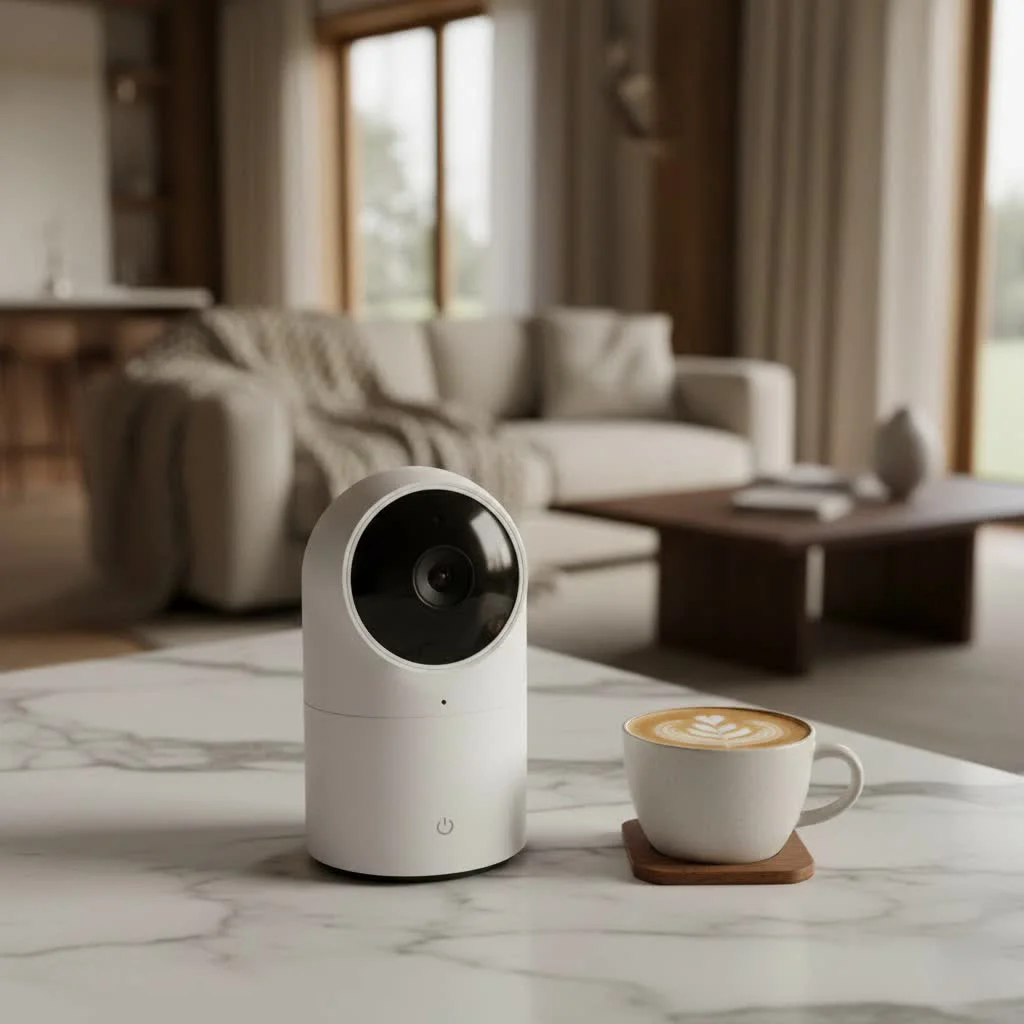
At Wocrt.com, with over a decade of hands-on experience in baby monitoring technology and newborn care, we understand these concerns deeply. Our goal is to cut through the noise and provide you with clear, expert insights into newborn breathing monitors, helping you make informed decisions that prioritize your baby’s safety and your family’s well-being. For compare top smart baby on this site.
Understanding Newborn Breathing Monitors: More Than Just Peace of Mind?
Newborn breathing monitors are electronic devices designed to track your baby’s respiratory patterns, heart rate, or oxygen levels while they sleep. If an anomaly is detected, an alarm sounds, theoretically alerting you to a potential issue. For many parents, the thought of such a device promises to ease the ever-present worry about SIDS.
However, it’s crucial to distinguish between consumer-grade newborn breathing monitors and medical devices. Most monitors available for purchase by the general public are considered “wellness” devices, not medical devices. This distinction is vital because wellness products are not subject to the same rigorous testing and regulatory oversight by bodies like the FDA as medical-grade monitors prescribed for infants with diagnosed health conditions.
Do Newborn Breathing Monitors Prevent SIDS? Unpacking the Evidence
Here’s the honest truth, directly from leading pediatric organizations and extensive research: there is no scientific evidence that consumer-grade newborn breathing monitors prevent SIDS in healthy infants. The American Academy of Pediatrics (AAP) and other medical experts consistently advise against their routine use for SIDS prevention.
Why is this important? The marketing surrounding some of these products can inadvertently lead parents down a path of false confidence. Relying on a monitor for SIDS prevention can create a dangerous false sense of security, potentially causing parents to inadvertently neglect the proven safe sleep practices that are truly effective in reducing SIDS risk. As Dr. Elara Vance, a renowned Pediatric Sleep Specialist and contributor to Wocrt.com, often emphasizes, “While the desire to protect our little ones is immense, we must focus on strategies proven by science. Consumer breathing monitors, despite their comforting presence, have not been shown to prevent SIDS.”
Types of Newborn Breathing Monitors: Finding Your Fit (If You Choose One)
If, after understanding the limitations, you still decide that a newborn breathing monitor is right for your family to gain additional peace of mind (and this should always be in addition to safe sleep practices, never instead of them), it’s helpful to know the main types available:
Wearable Monitors
|
Our Picks for the Best Baby Monitor in 2026
As an Amazon Associate I earn from qualifying purchases.
|
||
| Num | Product | Action |
|---|---|---|
| 1 | VTech VM819 Baby Monitor with Camera and Audio, 2.8” Screen Portable Baby Camera, Night Vision, 2-Way Audio, Temperature Sensor and Lullabies, Secure Transmission No WiFi, Ideal for Baby/Elderly/Pet |

|
| 2 | Baby Monitor with Camera and Audio, Video Baby Monitor No WiFi Night Vision 2.4\" LCD Screen Portable Baby Camera Monitor Alarm Lullaby Temperature Sensor and 1000ft, Ideal for Baby/Elderly/Pet |
|
| 3 | HelloBaby 4.3\'\' Video Baby Monitor with 30 Hours Battery, Remote Pan-Tilt-Zoom Baby Monitor No WiFi, Baby Monitor with Camera and Audio, Night Vision, ECO Mode, Two-way Talk, 8 Lullabies, 1000ft Range |
|
| 4 | HelloBaby No WiFi Baby Monitor 5\" Screen 30-Hour Battery Pan-Tilt-Zoom Video Upgrade with Camera and Audio, Night Vision, VOX, 2-Way Talk, 8 Lullabies and 1000ft Range, HB6550 |
|
| 5 | Baby Car Camera for Kids - 5\" 1080P IPS Suction Cup Monitor, 120° Wide-Angle & 360° Rotatable, IR Night Vision Easy Installation Backseat |
|
| 6 | HelloBaby 6\'\' World First IPS 30H Battery Split-Screen Video Baby Monitor with Camera and Audio, No WiFi, Pan-Tilt-Zoom, VOX, 2-Way Talk, Night Vision, 8 Lullabies, 1000ft, for New Parents/Elderly |
|
| 7 | HelloBaby Upgrade 5’’ Baby Monitor with 30-Hour Battery, 2 Cameras Pan-Tilt-Zoom, 1000ft Range Video Audio Baby Monitor No WiFi, VOX, Night Vision, 2-Way Talk, 8 Lullabies and Temperature |
|
| 8 | HelloBaby Baby Monitor 6\" World First IPS Screen 30H Battery, Secure No WiFi, Pan Tilt Video Camera with Night Vision, VOX, 2-Way Talk, 1000ft, Portable Video Audio Monitor Ideal for Mom, Elderly, Pet |
|
| 9 | Jartoo 2K 5.5\" Video Baby Monitor with Camera and Audio,AI Cry Detect 1860ft Long Range Baby Monitor No WiFi Baby Camera Wireless,Clear Night Vision,ANC, 2-Way Talk,White Noise,6000mAh [2025 New] |
|
| 10 | VTech Upgraded Audio Baby Monitor with Rechargeable Battery, Long Range, and Crystal-Clear Sound |
|
These monitors are designed to be worn directly by your baby. Common examples include clip-on devices that attach to a diaper or clothing (like the Snuza Hero) or sock-like devices that fit on your baby’s foot (such as the Owlet Smart Sock). They typically track abdominal movement, heart rate, and/or oxygen saturation.
- Pros: Often portable, providing direct monitoring of vital signs.
- Cons: Can lead to false alarms due to movement or improper placement, potential skin irritation, and connectivity issues. these are not medical-grade, even if they track vitals.
Under-Mattress Sensor Pads
These systems involve placing a sensitive pad directly under your baby’s crib mattress. The pad detects subtle movements associated with breathing. If no movement is detected for a set period (typically 15-20 seconds), an alarm will sound. Brands like Angelcare and Babysense are well-known in this category.
- Pros: No direct contact with the baby, which can be appealing to some parents.
- Cons: Prone to false alarms if the baby moves off the pad or when removed from the crib, and requires a specific crib setup with a firm mattress. They may not work effectively with certain mattress types.
Contactless Smart Monitors (Camera-based)
These advanced monitors utilize overhead cameras equipped with sophisticated AI and video analytics to track your baby’s breathing patterns and movements without any physical contact. They often integrate with smartphone apps, offering detailed sleep analytics, video feeds, and other smart features. Nanit and Miku are prominent examples.
- Pros: Non-invasive monitoring, often includes high-definition video, two-way audio, and comprehensive sleep insights.
- Cons: Generally the most expensive option, reliance on strong Wi-Fi connectivity, and potential for connectivity disruptions that could affect monitoring.
When a Newborn Breathing Monitor Might Be Recommended by Your Pediatrician
While not recommended for healthy, full-term infants, there are specific circumstances where a pediatrician might prescribe a medical-grade cardiorespiratory monitor. These instances typically involve infants with diagnosed medical conditions that genuinely put them at a higher risk for breathing irregularities, such as:
- Prematurity, especially with a history of apnea of prematurity.
- Chronic lung disease.
- Certain central nervous system disorders.
- Serious heart conditions.
In these specific cases, the monitor is part of a medical treatment plan, used under strict medical guidance and oversight. These are clinical tools, distinct from the consumer products available over-the-counter, and are usually cleared by the FDA as medical devices.
The Hidden Downsides: False Alarms and Parental Anxiety
One of the most significant and often overlooked downsides of using consumer-grade newborn breathing monitors is the emotional toll they can take on parents. Healthy newborns, especially in their first few months, exhibit what’s known as “periodic breathing.” This normal pattern involves periods of rapid breathing followed by brief pauses (less than 10 seconds), and it’s perfectly typical for infant development.
However, these normal breathing fluctuations can frequently trigger false alarms on monitors, leading to immense parental anxiety. Imagine being jolted awake in the middle of the night by a blaring alarm, only to find your baby breathing perfectly fine. This can cause heightened stress, sleep deprivation for parents, and even contribute to increased incidences of maternal depression. The constant vigilance and the fear of a real alarm can quickly transform a device intended for peace of mind into a source of constant stress.
The True Guardians of Safe Sleep: AAP Recommendations
At Wocrt.com, we believe in empowering parents with the most effective, evidence-based strategies for newborn safety. When it comes to reducing the risk of SIDS, the American Academy of Pediatrics (AAP) provides clear, consistent guidelines that have dramatically decreased SIDS rates over the years. These safe sleep practices are the most powerful “monitors” you can employ:
- Back to Sleep: Always place your baby on their back for every sleep, whether it’s for a nap or overnight.
- Firm Sleep Surface: Use a firm, flat, non-inclined sleep surface, such as a crib, bassinet, or play yard, with a tightly fitted sheet.
- Bare is Best: Keep the sleep area clear of any soft objects, loose bedding, bumpers, pillows, blankets, or stuffed animals.
- Room-Sharing, Not Bed-Sharing: Have your baby sleep in your room, close to your bed, but in their own separate sleep space, for at least the first six months, ideally up to one year.
- Avoid Overheating: Dress your baby appropriately for the room temperature and avoid over-bundling.
- No Smoking: Do not smoke or allow others to smoke around your baby.
These guidelines are the cornerstone of SIDS prevention, providing a safe sleep environment that no electronic monitor can replicate or replace.
Choosing a Newborn Breathing Monitor: A Thoughtful Approach
If you find yourself still considering a newborn breathing monitor for a healthy baby, here’s our expert advice for a thoughtful approach:
- Prioritize Safe Sleep Above All Else: Implement all AAP safe sleep recommendations diligently. The monitor is supplemental, not a substitute.
- Understand Limitations: Be fully aware that consumer monitors are not medical devices and do not prevent SIDS.
- Research Features Carefully: Look for monitors with adjustable sensitivity to minimize false alarms. Consider features like integrated video, two-way audio, and app connectivity if they enhance your overall monitoring experience without causing undue stress.
- Read Unbiased Reviews: Seek out comprehensive reviews that discuss both the pros and cons, especially regarding false alarms and user experience.
- Consult Your Pediatrician: Always discuss your decision with your pediatrician. They can offer personalized advice based on your baby’s health history and help you understand normal infant behaviors. “An informed parent is an empowered parent,” advises Dr. Elara Vance. “While monitors can add a layer of perceived security, nothing replaces the foundational practices of safe sleep and regular check-ups with your pediatrician.”
Frequently Asked Questions About Newborn Breathing Monitors
Q: Do newborn breathing monitors replace safe sleep guidelines?
A: Absolutely not. Newborn breathing monitors are supplemental devices and should never be used as a replacement for the evidence-based safe sleep guidelines recommended by the American Academy of Pediatrics (AAP), which are the most effective way to reduce the risk of SIDS.
Q: Are these monitors medically approved for SIDS prevention?
A: No. Consumer-grade newborn breathing monitors are generally marketed as “wellness” products and are not cleared or approved by regulatory bodies like the FDA for the prevention of SIDS or other medical conditions. Medical-grade monitors exist but are prescribed by doctors for infants with specific health issues.
Q: What causes false alarms on breathing monitors?
A: False alarms are common because healthy newborns often have irregular breathing patterns, known as periodic breathing, with normal pauses. Movement, improper placement of sensors, or connectivity issues (for smart monitors) can also trigger false alerts.
Q: Can I use a breathing monitor for my premature baby?
A: If your baby is premature or has specific health concerns, your pediatrician might recommend a medical-grade breathing monitor as part of their care plan. This would always be under professional medical guidance and supervision, which is different from using a consumer-grade monitor for a healthy baby.
Q: What features are essential in a breathing monitor?
A: If you choose to use one, look for features such as adjustable sensitivity, clear audio and video (if desired), reliable connectivity, and a user-friendly interface. Prioritize devices known for minimal false alarms, as these can significantly increase parental stress.
Q: How do I reduce anxiety if I use a monitor?
A: The most effective way to reduce anxiety is to understand the monitor’s limitations and prioritize safe sleep practices. Discuss any concerns with your pediatrician. that normal newborn breathing is often irregular, and false alarms are common. Focus on creating a safe environment first and foremost.
Conclusion
Navigating the world of newborn care can feel overwhelming, especially when it comes to ensuring your little one’s safety during sleep. While newborn breathing monitors offer a certain allure of peace of mind, it’s vital to approach them with a clear understanding of their purpose and limitations. They are not a substitute for rigorous safe sleep practices, which remain the most powerful tools against SIDS.
At Wocrt.com, we empower you to make informed decisions. By focusing on proven safe sleep guidelines and understanding the nuances of these technologies, you can confidently create a secure environment for your baby, fostering rest for both of you. Always your instincts, combined with expert knowledge and a proactive approach to safety, are your most valuable assets in this incredible parenting journey.
Choosing a Newborn Breathing Monitor Thoughtfully
Follow these steps to make an informed decision if you are considering a newborn breathing monitor for your healthy baby, ensuring it supplements, not replaces, safe sleep practices.
Diligently implement all American Academy of Pediatrics (AAP) safe sleep recommendations. The monitor should always be considered supplemental, never a substitute for these proven guidelines.
Be fully aware that consumer-grade monitors are not medical devices and have no scientific evidence to prevent SIDS. This understanding helps manage expectations and prevents a false sense of security.
Look for monitors with adjustable sensitivity to minimize false alarms. Consider additional features like integrated video, two-way audio, and app connectivity if they genuinely enhance your monitoring experience without causing undue stress.
Seek out comprehensive reviews that discuss both the pros and cons of specific monitors, paying close attention to feedback regarding false alarms and overall user experience. This provides real-world insights.
Always discuss your decision with your pediatrician. They can offer personalized advice based on your baby's health history and help you understand normal infant behaviors, ensuring your choices align with medical guidance.
Smart home that does not lock you in
Free PDF — protocol compatibility matrix for 30 hubs and devices.
I’ve been using a breathing monitor for my newborn for about a month now, and it really does help with my anxiety. While I know the post mentioned they aren’t medical-grade, having that extra layer of monitoring, even if it’s just for peace of mind, has been invaluable. It’s not a SIDS prevention tool, but it definitely helps me sleep a little sounder knowing I’ll be alerted to any major changes.
We got one of these after reading about the different types of monitors. The heart rate tracking is pretty good, but sometimes the alerts are a bit too sensitive, even after adjusting. It’s a minor complaint, but it can be startling when it goes off for no real reason. I appreciate the peace of mind, but wish the false alarms were less frequent.
I was really on the fence about getting a breathing monitor, especially after hearing about the AAP’s stance. But after reading up on them, I decided to go for one that tracks respiratory patterns. It’s not a substitute for safe sleep practices, but it’s given me so much more confidence during those early weeks. It’s a personal choice, but for me, it was worth it.
As a new dad, the information about oxygen levels really caught my attention. We opted for a monitor that includes that feature, and it’s been fantastic. It’s reassuring to see those numbers, and it helps us feel more in control, especially with all the conflicting advice out there. Definitely recommend looking into the specific features that matter most to you.