Driving with your little one in the backseat is a balancing act – you want to keep your eyes on the road, but your heart yearns to check on your precious cargo. That’s where an Infant Car Camera comes in, transforming anxious glances into clear, confident views. No longer a luxury, a car baby monitor has become an indispensable tool for modern parents, offering peace of mind and significantly enhancing safety during every journey. This guide from Wocrt is designed to walk you through everything you need to know about these clever devices, ensuring you choose and use the best infant car camera for your family.
What is an Infant Car Camera and Why Do You Need One?
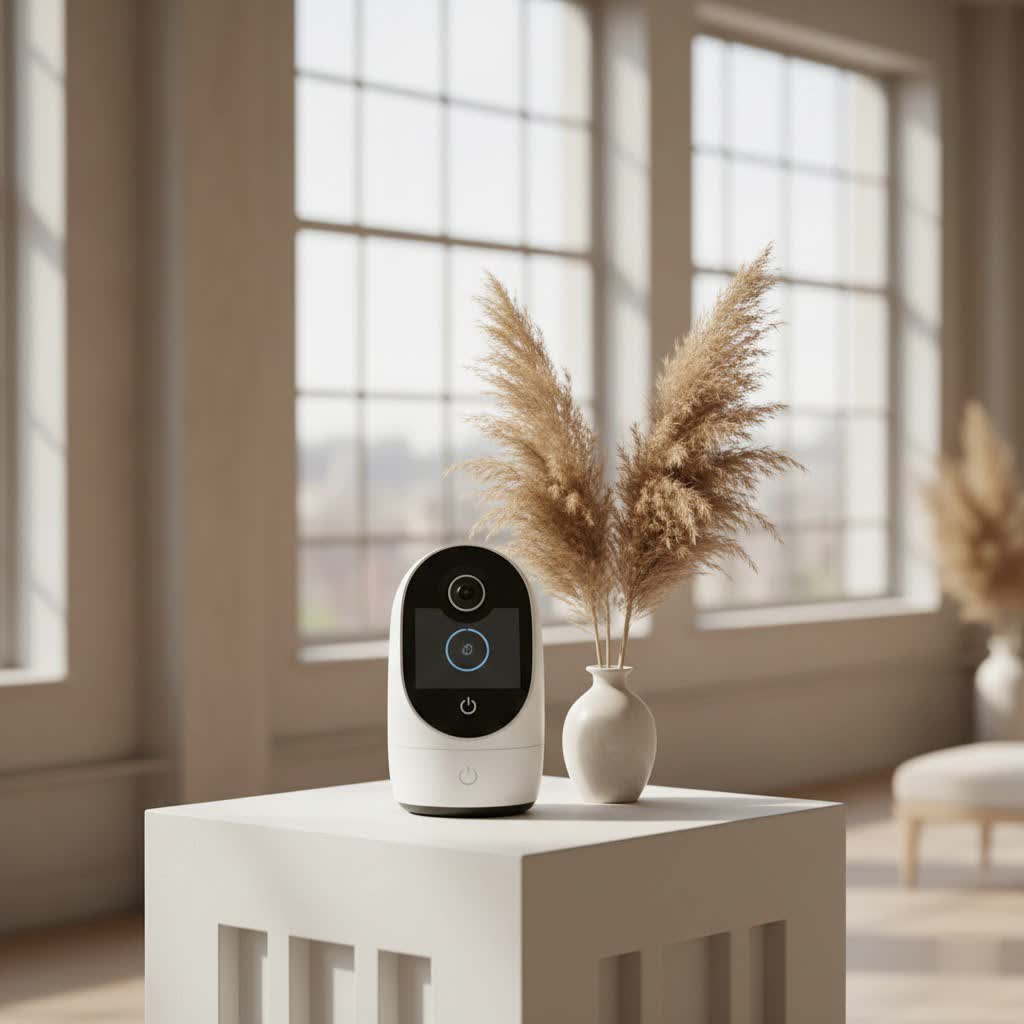
An infant car camera is a specialized monitoring system designed for vehicles, typically consisting of a small camera mounted in the back seat and a display screen positioned near the driver. Its primary purpose is to provide parents with a real-time, clear view of their baby or toddler in a rear-facing (or even forward-facing) car seat without the need to turn around.
Why is this so important? Well, distracted driving is a leading cause of accidents. Constantly craning your neck or adjusting a mirror to see your baby diverts your attention from the road, even for a split second. An infant car camera eliminates this dangerous distraction, allowing you to quickly glance at a dedicated screen on your dashboard or windshield to ensure your baby is safe, sleeping soundly, or not in distress. This real-time visibility and reduction in parental anxiety are game-changers for safer driving experiences.
Types of Infant Car Cameras: Finding Your Perfect Match
Just like babies themselves, not all infant car cameras are created equal. Understanding the different types and their capabilities will help you pinpoint the best fit for your needs.
Basic Video-Only Monitors
|
Our Picks for the Best Baby Monitor in 2026
As an Amazon Associate I earn from qualifying purchases.
|
||
| Num | Product | Action |
|---|---|---|
| 1 | HelloBaby 4.3\'\' Video Baby Monitor with 30 Hours Battery, Remote Pan-Tilt-Zoom Baby Monitor No WiFi, Baby Monitor with Camera and Audio, Night Vision, ECO Mode, Two-way Talk, 8 Lullabies, 1000ft Range |

|
| 2 | VTech VM819 Baby Monitor with Camera and Audio, 2.8” Screen Portable Baby Camera, Night Vision, 2-Way Audio, Temperature Sensor and Lullabies, Secure Transmission No WiFi, Ideal for Baby/Elderly/Pet |
|
| 3 | Baby Monitor with Camera and Audio, Video Baby Monitor No WiFi Night Vision 2.4\" LCD Screen Portable Baby Camera Monitor Alarm Lullaby Temperature Sensor and 1000ft, Ideal for Baby/Elderly/Pet |
|
| 4 | HelloBaby No WiFi Baby Monitor 5\" Screen 30-Hour Battery Pan-Tilt-Zoom Video Upgrade with Camera and Audio, Night Vision, VOX, 2-Way Talk, 8 Lullabies and 1000ft Range, HB6550 |
|
| 5 | Baby Car Camera for Kids - 5\" 1080P IPS Suction Cup Monitor, 120° Wide-Angle & 360° Rotatable, IR Night Vision Easy Installation Backseat |
|
| 6 | HelloBaby Upgrade 5’’ Baby Monitor with 30-Hour Battery, 2 Cameras Pan-Tilt-Zoom, 1000ft Range Video Audio Baby Monitor No WiFi, VOX, Night Vision, 2-Way Talk, 8 Lullabies and Temperature |
|
| 7 | VTech Upgraded Audio Baby Monitor with Rechargeable Battery, Long Range, and Crystal-Clear Sound |
|
| 8 | HelloBaby Baby Monitor 6\" World First IPS Screen 30H Battery, Secure No WiFi, Pan Tilt Video Camera with Night Vision, VOX, 2-Way Talk, 1000ft, Portable Video Audio Monitor Ideal for Mom, Elderly, Pet |
|
| 9 | HelloBaby 6\'\' World First IPS 30H Battery Split-Screen Video Baby Monitor with Camera and Audio, No WiFi, Pan-Tilt-Zoom, VOX, 2-Way Talk, Night Vision, 8 Lullabies, 1000ft, for New Parents/Elderly |
|
| 10 | Jartoo 2K 5.5\" Video Baby Monitor with Camera and Audio,AI Cry Detect 1860ft Long Range Baby Monitor No WiFi Baby Camera Wireless,Clear Night Vision,ANC, 2-Way Talk,White Noise,6000mAh [2025 New] |
|
These are the most common type, offering a clear video feed of your baby. They usually include a camera and a dedicated display unit. Many come with essential features like night vision.
Monitors with Audio
While less common for in-car use due to road noise, some advanced systems offer two-way audio, allowing you to hear and even soothe your baby through the monitor.
Wired vs. Wireless Systems
Most infant car cameras are wired, meaning the camera and monitor are connected by a cable, which typically plugs into your car’s 12V cigarette lighter socket for power. Wireless options exist, offering a cleaner look, but can sometimes be susceptible to interference.
Car Seat Camera vs. Traditional Car Seat Mirror: The Clear Winner
For years, car seat mirrors were the go-to. They are simple, inexpensive, and require no power. However, their limitations are significant. Mirrors provide a reflected, often distorted, and limited view, especially for rear-facing infants. They rely on ambient light, making nighttime visibility poor or non-existent, and can even become a distraction themselves as you try to adjust them for a better angle.
An infant car camera, on the other hand, offers:
- Clear Visibility: Direct, high-definition video feed means you see your baby’s every detail.
- Night Vision: Infrared night vision ensures clear images even in total darkness, a crucial feature for nighttime drives.
- Wide-Angle View: Many cameras boast wide-angle lenses (e.g., 120° or 140°) to capture the entire back seat, reducing blind spots.
- Reduced Distraction: A quick glance at the monitor is all it takes, keeping your eyes predominantly on the road.
As Dr. Emily R. Carter, a renowned child safety expert, always says, “While traditional mirrors offer a basic visual, the real-time clarity and night vision of an infant car camera provide an unparalleled level of vigilance, allowing parents to be truly present and focused on driving safely.”
Key Features to Look for in an Infant Car Camera
When you’re ready to invest in an infant car camera, keep an eye out for these essential features to ensure you get the best value and functionality:
- Display Size and Quality: A larger, anti-glare screen (4.3-inch or more) with HD resolution (at least 720p) will provide a clearer, more detailed image, minimizing strain on your eyes.
- Night Vision Capability: This is non-negotiable. Look for cameras with automatic infrared or starlight night vision for clear viewing in low-light conditions or complete darkness.
- Viewing Angle: A wide-angle lens (120° or more) is crucial to capture your baby fully, especially if they’re in a rear-facing seat or if you need to monitor multiple children.
- Installation Method: Most cameras attach securely to a headrest with straps, while monitors often use suction cups or dashboard mounts. Look for stable, shake-resistant designs that are easy to install without tools.
- Power Source: Most units power via your car’s 12V cigarette lighter socket. Some can be hardwired for a cleaner setup, but this typically requires more complex installation.
- Durability and Safety Standards: The camera and monitor should be robust enough to withstand car vibrations and temperature changes. Ensure they meet relevant safety standards.
- Anti-Glare Screen: For daytime driving, an anti-glare screen on the monitor is a huge plus, preventing reflections from obscuring your view.
How to Choose the Right Infant Car Camera for Your Family
Choosing the perfect infant car camera involves a bit of self-reflection and considering your specific family dynamics.
- Consider Your Car Type and Layout: Does your car have headrests where a camera can securely strap on? Is there a clear spot on your dashboard or windshield for the monitor that won’t obstruct your view?
- Baby’s Age and Car Seat Position: For rear-facing infants, a camera positioned on the headrest behind them is ideal. For older toddlers in forward-facing seats, you might mount it on the ceiling or another headrest.
- Wired vs. Wireless Preference: Do you mind a visible cable (which can be tucked away) for reliability, or do you prefer the aesthetic of a wireless setup, even with potential signal variations?
- Budget Considerations: While mirrors are cheaper, the added safety and peace of mind from a quality infant car camera often justify the investment. Prices can vary based on features and brand reputation.
- Read Reviews: Look for feedback from other parents, paying attention to comments on ease of installation, picture quality (especially at night), and durability.
Installation and Usage: Getting Started with Your Infant Car Camera
Installing an infant car camera is generally straightforward, but a secure setup is key for optimal performance and safety.
Step-by-Step Installation Guide
- Choose the Camera Position: For a rear-facing infant, securely strap the camera to the headrest directly behind or slightly to the side of your baby’s car seat. Ensure it faces your baby and provides a clear line of sight.
- Attach the Camera: Use the included straps or buckle brackets to firmly secure the camera to the headrest. Make sure it’s snug and won’t wobble on bumpy roads.
- Mount the Monitor: Attach the monitor to your dashboard or windshield using its suction cup or mount. Position it where you can easily glance at it without taking your eyes too far off the road. Ensure it doesn’t obstruct your view.
- Connect Power: Plug the camera’s power cable (if wired) into the camera, then route the main power cable from the camera to your car’s 12V cigarette lighter socket. Plug in the monitor’s power if it’s separate. Many systems power on automatically when the car starts.
- Adjust Settings & Test: Once powered, adjust the camera angle and monitor settings (brightness, contrast) until you have a clear view of your baby. Do a quick test drive around the block to ensure everything stays secure and the image remains stable.
Tips for Optimal Usage
- Regular Checks: Make it a habit to glance at the monitor, but avoid prolonged staring.
- Cable Management: Tuck away any loose cables to prevent them from becoming a distraction or a safety hazard.
- Clean the Lens: Keep the camera lens clean for the clearest image, especially if it gets dusty.
Troubleshooting Common Issues with Your Car Baby Monitor
Even the best technology can have a hiccup now and then. Here are some common issues and how to resolve them:
- No Image on Screen:
- Check Power: Ensure both the camera and monitor are securely plugged into the power source (cigarette lighter or hardwired).
- Check Connections: Verify all cables between the camera and monitor are firmly connected.
- Power Cycle: Unplug and replug the system to reset it.
- Blurry or Unclear Image:
- Clean Lens: Gently wipe the camera lens.
- Adjust Angle: Ensure the camera is positioned correctly and focused on your baby.
- Lighting: In very dark conditions, ensure night vision is active.
- Interference/Signal Loss (Wireless Only):
- Relocate: Try moving the monitor or camera slightly to avoid other electronic interference.
- Check Battery: Ensure wireless components have sufficient battery.
Expert Insights: Driving Safely with Your Little One
At Wocrt, we believe in providing not just products but also the knowledge to use them effectively. “The most significant advantage of an infant car camera is how it empowers parents,” says Dr. Emily R. Carter, a pediatric safety specialist with over 15 years of experience. “It removes the instinct to turn around, which, even for a second, can be incredibly dangerous. By keeping eyes on the road and gaining visual reassurance through the monitor, parents reduce their driving risk and create a safer environment for everyone in the vehicle.”
Frequently Asked Questions (FAQ)
Are infant car cameras safe?
Yes, when properly installed, infant car cameras are safe and are designed to enhance driving safety by reducing driver distraction. They allow you to monitor your baby without taking your eyes off the road.
Can I use my phone as a baby car monitor?
While some home baby monitors connect to smartphones, dedicated infant car cameras typically come with their own monitor. Using your phone for monitoring could potentially add to driver distraction and may not meet the same safety standards or offer the stability of a dedicated car system.
How long do car baby cameras last?
The lifespan of a car baby camera varies by brand and usage, but most quality units are designed for several years of regular use, with durable components to withstand vehicle environments.
What’s the main difference between a car camera and a mirror?
The main difference is the viewing method: a camera provides a direct, clear, and often night-vision-enabled video feed to a screen, while a mirror provides a reflected, often limited, and light-dependent view through your rearview mirror. Cameras offer superior visibility and reduce distraction.
Where should I mount the monitor screen?
The monitor screen should be mounted on your dashboard or windshield in a position that offers an easy, quick glance without obstructing your view of the road. Many parents prefer it near the center or passenger side of the dashboard.
Conclusion
As parents, the safety and well-being of our children are paramount, especially when on the go. An infant car camera isn’t just another gadget; it’s a vital tool that fosters a safer, more confident driving experience. By offering clear, real-time visibility of your little one – day or night – these monitors empower you to focus on the road ahead while keeping your precious cargo in sight. We at Wocrt are committed to providing you with the best knowledge and resources to make informed choices. So, drive with confidence, knowing that your little one is safe and sound, and you’re making a proactive choice for road safety. Have you already experienced the peace of mind an infant car camera offers? Share your stories and tips with our Wocrt community!
