As a seasoned expert with over a decade in baby monitoring technology and a content creator for Wocrt.com, I’ve seen firsthand how an Infant Heart Rate Monitor can transform the parenting experience. It’s more than just a gadget; it’s a vital tool that offers an extra layer of reassurance, helping you keep a watchful eye (and ear) on your little one’s well-being. From basic audio-only devices to sophisticated smart monitors, the market is brimming with options, each promising peace of mind. But what exactly are these monitors, and how do you choose the right one for your family? Let’s dive in and demystify the world of infant heart rate monitoring.
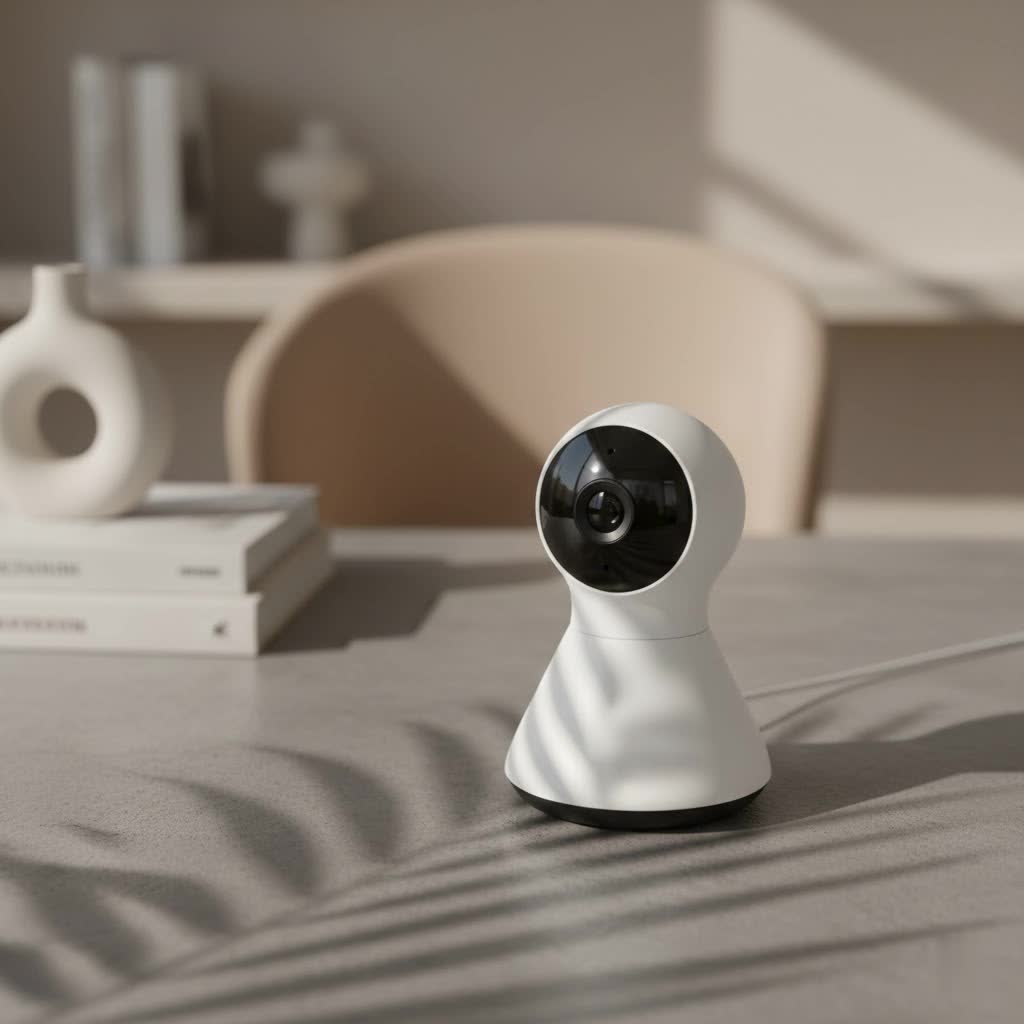
Imagine being able to gently observe your baby’s most crucial vital signs as they sleep soundly. That’s the core promise of an infant heart rate monitor. These devices are specifically designed to continuously track a baby’s heart rate, and often oxygen levels, providing real-time data directly to parents or caregivers. They typically consist of a wearable sensor, usually a soft sock or a clip, that gently attaches to your baby’s foot or diaper, wirelessly transmitting information to a base station or a smartphone app. For many parents, especially those with newborns or infants with specific health concerns, this continuous oversight is invaluable, allowing for more restful sleep for both baby and parent.
What Are the Different Types of Infant Heart Rate Monitors?
When considering an infant heart rate monitor, you’ll quickly discover a few primary types, each with its own methodology for monitoring and data delivery. Understanding these differences is key to selecting a device that aligns with your comfort level and specific needs.
Wearable Sock Monitors
|
Our Picks for the Best Baby Monitor in 2026
As an Amazon Associate I earn from qualifying purchases.
|
||
| Num | Product | Action |
|---|---|---|
| 1 | Jartoo 2K 5.5\" Video Baby Monitor with Camera and Audio,AI Cry Detect 1860ft Long Range Baby Monitor No WiFi Baby Camera Wireless,Clear Night Vision,ANC, 2-Way Talk,White Noise,6000mAh [2025 New] |
![Check Jartoo 2K 5.5\" Video Baby Monitor with Camera and Audio,AI Cry Detect 1860ft Long Range Baby Monitor No WiFi Baby Camera Wireless,Clear Night Vision,ANC, 2-Way Talk,White Noise,6000mAh [2025 New] on Amazon](https://wocrt.com/wp-content/plugins/amazon-tables/assets/images/buy.png)
|
| 2 | Baby Monitor with Camera and Audio, Video Baby Monitor No WiFi Night Vision 2.4\" LCD Screen Portable Baby Camera Monitor Alarm Lullaby Temperature Sensor and 1000ft, Ideal for Baby/Elderly/Pet |
|
| 3 | Baby Car Camera for Kids - 5\" 1080P IPS Suction Cup Monitor, 120° Wide-Angle & 360° Rotatable, IR Night Vision Easy Installation Backseat |
|
| 4 | HelloBaby 4.3\'\' Video Baby Monitor with 30 Hours Battery, Remote Pan-Tilt-Zoom Baby Monitor No WiFi, Baby Monitor with Camera and Audio, Night Vision, ECO Mode, Two-way Talk, 8 Lullabies, 1000ft Range |
|
| 5 | HelloBaby 6\'\' World First IPS 30H Battery Split-Screen Video Baby Monitor with Camera and Audio, No WiFi, Pan-Tilt-Zoom, VOX, 2-Way Talk, Night Vision, 8 Lullabies, 1000ft, for New Parents/Elderly |
|
| 6 | HelloBaby Upgrade 5’’ Baby Monitor with 30-Hour Battery, 2 Cameras Pan-Tilt-Zoom, 1000ft Range Video Audio Baby Monitor No WiFi, VOX, Night Vision, 2-Way Talk, 8 Lullabies and Temperature |
|
| 7 | HelloBaby Baby Monitor 6\" World First IPS Screen 30H Battery, Secure No WiFi, Pan Tilt Video Camera with Night Vision, VOX, 2-Way Talk, 1000ft, Portable Video Audio Monitor Ideal for Mom, Elderly, Pet |
|
| 8 | HelloBaby No WiFi Baby Monitor 5\" Screen 30-Hour Battery Pan-Tilt-Zoom Video Upgrade with Camera and Audio, Night Vision, VOX, 2-Way Talk, 8 Lullabies and 1000ft Range, HB6550 |
|
| 9 | VTech VM819 Baby Monitor with Camera and Audio, 2.8” Screen Portable Baby Camera, Night Vision, 2-Way Audio, Temperature Sensor and Lullabies, Secure Transmission No WiFi, Ideal for Baby/Elderly/Pet |
|
| 10 | VTech Upgraded Audio Baby Monitor with Rechargeable Battery, Long Range, and Crystal-Clear Sound |
|
These are perhaps the most popular and recognizable type of infant heart rate monitor. They utilize a soft, fabric sock that fits snugly on your baby’s foot. Embedded sensors in the sock use pulse oximetry technology to non-invasively measure heart rate and oxygen saturation (SpO2) levels. The data is then transmitted to a base station, which typically uses color codes (like green for normal, blue for a low oxygen alert, red for a low heart rate) and audible alarms to notify parents of any readings outside preset safe zones. Most modern versions also connect to a smartphone app, providing detailed historical data and real-time graphs. These are favored for their direct vital sign tracking and ease of use.
Diaper/Clothing Clip Monitors
Another common variety, these monitors clip onto your baby’s diaper or clothing, usually near the abdomen. Instead of pulse oximetry, many of these devices use gentle motion sensors to track breathing patterns and subtle movements, inferring heart rate from these movements. Some advanced models may also incorporate additional sensors for direct heart rate measurement. They are generally discreet and can be less intrusive than a foot sock for some babies, though their primary focus is often on movement and breathing regularity.
Under-Mattress Pad Monitors
These monitors are designed to be placed directly under your baby’s mattress, out of sight and out of reach. They use sensitive motion sensors to detect your baby’s movements and breathing patterns as they sleep. While they don’t directly measure heart rate in the same way a pulse oximeter does, they alert you if no movement or breathing is detected for a specified period. These are a good option for parents who prefer no wearable devices on their baby, focusing purely on presence and respiration rather than precise heart rate numbers.
Key Features and Technologies to Consider
Choosing an infant heart rate monitor involves looking beyond the basic function. Modern devices are packed with features that enhance safety, convenience, and user experience.
Real-time Alerts and Notifications
Why are immediate alerts crucial for an infant heart rate monitor? The primary function of any such device is to notify parents promptly if their baby’s vital signs deviate from safe parameters. Look for monitors that offer customizable alert thresholds for heart rate and oxygen levels, with both audible alarms on a base station and push notifications to your smartphone. Some even integrate with smart home systems.
Accuracy and Reliability
“Accuracy is non-negotiable when it comes to monitoring a baby’s vitals,” advises Dr. Evelyn Reed, a pediatric health tech specialist. Ensure the device uses clinically proven technology for its measurements. While consumer-grade monitors are not medical devices, reputable brands strive for high accuracy. Reading reviews and understanding the underlying technology (e.g., pulse oximetry) can help you gauge reliability.
Connectivity and App Integration
How does an infant heart rate monitor connect to your devices? Most modern monitors utilize Bluetooth or Wi-Fi to transmit data. Wi-Fi offers a greater range, allowing you to monitor your baby from anywhere with internet access, while Bluetooth is ideal for monitoring within a closer proximity. A well-designed smartphone app is vital, providing a user-friendly interface to view live readings, historical trends, and customize settings.
Battery Life and Charging
What should parents know about the battery life of an infant heart rate monitor? Given that these devices are meant for continuous monitoring, a long-lasting battery is essential. Look for monitors that offer several hours, if not a full night, of use on a single charge. Convenient charging methods, such as wireless charging or quick-charging capabilities, are also a significant plus.
Wearability and Comfort
Is the monitor comfortable for my baby? The sensor should be made from soft, hypoallergenic materials that won’t irritate your baby’s delicate skin. It should fit snugly enough to stay in place without being constricting. Some monitors come with multiple sock sizes to accommodate your baby’s growth.
How to Choose the Right Infant Heart Rate Monitor for Your Family
Selecting the perfect infant heart rate monitor can feel daunting, but by considering a few key factors, you can make an informed decision that best suits your family’s lifestyle and needs.
Assess Your Specific Needs and Concerns
Are you primarily looking for general peace of mind, or do you have specific health concerns that necessitate continuous monitoring? For instance, if your baby was premature or has a condition requiring closer observation, a monitor that tracks both heart rate and oxygen saturation (SpO2) might be a priority. If you’re simply seeking reassurance about your baby’s presence and general well-being, a breathing motion monitor might suffice.
Consider Your Budget
Infant heart rate monitors vary widely in price. Determine what you’re willing to spend, keeping in mind that higher price points often correlate with more advanced features, greater accuracy, and enhanced connectivity options. However, a higher price doesn’t always mean it’s the right fit for your family. There are excellent mid-range options that offer robust features without breaking the bank.
Read Reviews and Expert Opinions
Before making a purchase, thoroughly research different models. Read reviews from other parents to get real-world insights into usability, battery life, and alert reliability. Consult expert reviews from reputable baby product websites and, if applicable, discuss your options with your pediatrician, especially if you have any medical concerns.
Ease of Use and Setup
How easy is the infant heart rate monitor to set up and use daily? A complex setup or a confusing app can quickly become a source of frustration. Look for devices with intuitive controls, clear instructions, and a user-friendly interface. You’ll be using this monitor frequently, so simplicity is key.
Setting Up and Using Your Infant Heart Rate Monitor Effectively
Once you’ve chosen your infant heart rate monitor, proper setup and consistent use are vital for maximizing its benefits.
- Read the Manual Thoroughly: This might seem obvious, but every monitor has unique features and specific guidelines. Familiarize yourself with all safety warnings, charging instructions, and alert settings.
- Ensure a Proper Fit: For wearable monitors, ensure the sensor is applied correctly and snugly, but not too tightly. A poor fit can lead to inaccurate readings or false alarms. Many sock monitors come with sizing guides; always use the correct size for your baby.
- Position the Base Station Correctly: Place the base station (if your monitor has one) within the recommended range of your baby’s sleeping area and ensure it’s plugged into a reliable power source. Keep it away from potential hazards.
- Set Up the App and Wi-Fi/Bluetooth: Download the accompanying app, create your account, and connect the monitor to your home Wi-Fi or pair it via Bluetooth as per the instructions. Test the connectivity to ensure data is flowing correctly.
- Customize Alert Thresholds (if applicable): While many monitors come with default safe zones, some allow you to adjust the heart rate and oxygen level thresholds for alerts. Consult with your pediatrician if you have questions about appropriate ranges for your baby.
- Regularly Check Battery Life: Make it a habit to check the monitor’s battery status, especially before your baby’s longest sleep periods. Charge it regularly to avoid disruptions in monitoring.
- Clean the Sensor Regularly: Follow the manufacturer’s instructions for cleaning the sensor or sock to maintain hygiene and ensure accurate readings.
Common Issues and Troubleshooting Tips
Even the best infant heart rate monitor might encounter occasional hiccups. Knowing how to troubleshoot common issues can save you stress.
- False Alarms: If you’re getting frequent false alarms, check the sensor’s fit. It might be too loose, allowing for movement artifacts, or the sock might be too small, causing discomfort. Also, ensure there are no obstructions between the monitor and the base station/your phone.
- Connectivity Problems: If the monitor isn’t connecting to the app or base station, try restarting both the monitor and your phone/router. Ensure your Wi-Fi network is stable and that the monitor is within range.
- Inaccurate Readings: Verify the sensor is clean and properly positioned. Environmental factors like cold feet can sometimes affect pulse oximetry readings.
- Battery Not Holding Charge: If the battery life seems unusually short, ensure you are using the correct charging cable and adapter. Over time, all batteries degrade, but if it’s a new device, contact customer support.
Final Thoughts on Infant Heart Rate Monitors
An infant heart rate monitor offers modern parents an invaluable tool for enhanced peace of mind. While it’s crucial to remember that these devices are not medical devices and should never replace safe sleep practices or professional medical advice, they can provide a comforting layer of reassurance. By understanding the different types, key features, and proper usage, you can confidently select and utilize a monitor that empowers you to keep a closer watch on your little one’s well-being. Embrace the technology, stay informed, and enjoy the added confidence that comes with knowing your baby is being gently monitored.
