Bringing a new baby home is an exhilarating journey, filled with immense joy and, let’s be honest, a fair share of sleepless nights and worries. Every tiny sigh, every quiet moment can trigger a rush of anxiety, especially when it comes to your infant’s well-being during sleep. In this landscape of parental concern, the Infant Heart Monitor has emerged as a popular device, promising peace of mind by keeping a digital eye on your little one’s vital signs. At Wocrt.com, with over a decade of dedicated experience in baby monitoring technology, we understand these concerns deeply. Our goal is to cut through the noise, providing you with clear, expert insights into how these monitors work, what they can (and cannot) do, and how to make the most informed choice for your family.
What Exactly is an Infant Heart Monitor and Why Consider One?
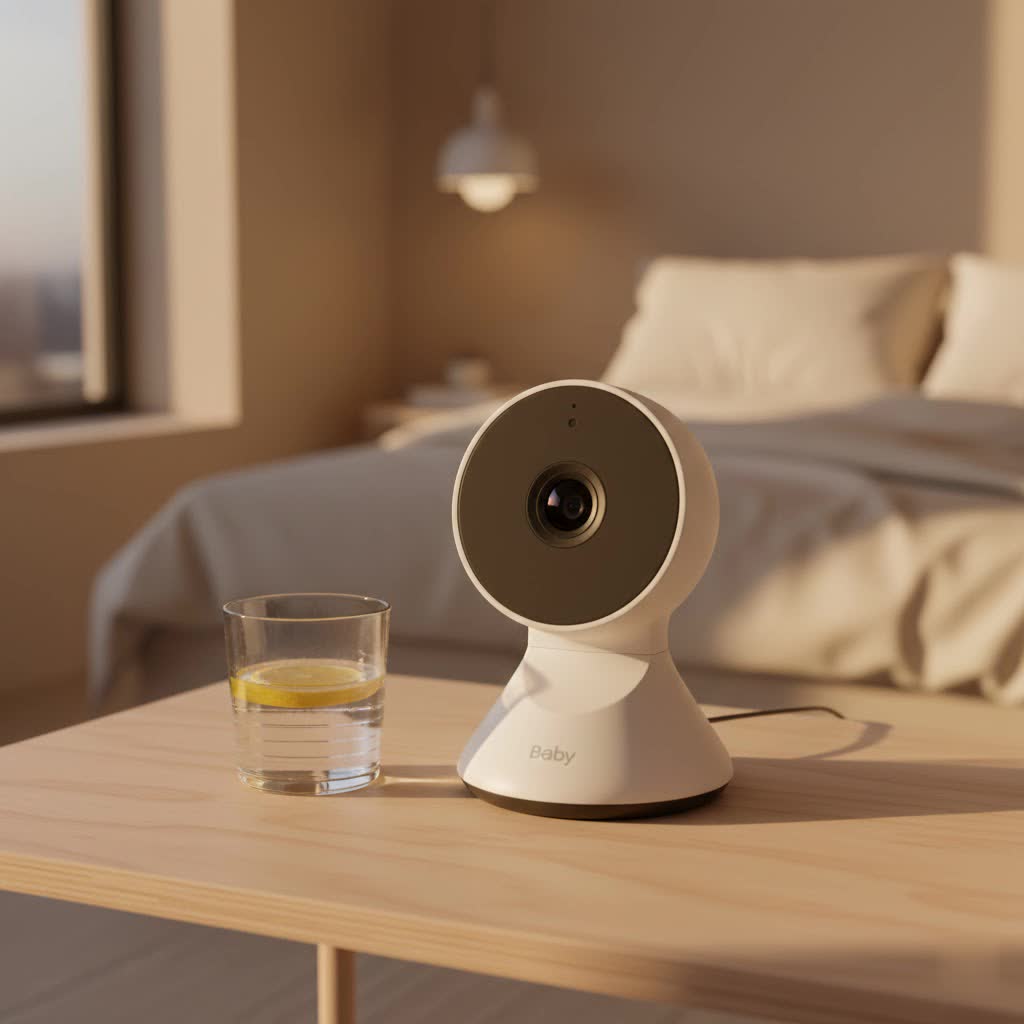
At its core, an infant heart monitor is a device designed to track specific physiological parameters of a baby, most commonly their heart rate and often their oxygen saturation (SpO2). These monitors utilize various technologies to give parents a continuous stream of data, usually accessible via a smartphone app or a dedicated parent unit. The primary appeal? The promise of reassurance. Parents often turn to these devices hoping to detect potential issues early, particularly concerns around Sudden Infant Death Syndrome (SIDS).
“Parents are looking for a reliable way to feel more secure,” explains Sarah Chen, a pediatric nurse and a long-time contributor to Wocrt.com. “The ability to check on their baby’s heart rate and oxygen levels from another room can significantly reduce midnight anxieties, allowing for slightly more restful sleep.” This desire for tranquility drives many families to explore these high-tech solutions, seeking an extra layer of vigilance that traditional audio or video monitors don’t provide.
Types of Infant Heart Monitors: Decoding the Options
|
Our Picks for the Best Baby Monitor in 2026
As an Amazon Associate I earn from qualifying purchases.
|
||
| Num | Product | Action |
|---|---|---|
| 1 | HelloBaby 6\'\' World First IPS 30H Battery Split-Screen Video Baby Monitor with Camera and Audio, No WiFi, Pan-Tilt-Zoom, VOX, 2-Way Talk, Night Vision, 8 Lullabies, 1000ft, for New Parents/Elderly |

|
| 2 | HelloBaby 4.3\'\' Video Baby Monitor with 30 Hours Battery, Remote Pan-Tilt-Zoom Baby Monitor No WiFi, Baby Monitor with Camera and Audio, Night Vision, ECO Mode, Two-way Talk, 8 Lullabies, 1000ft Range |
|
| 3 | VTech VM819 Baby Monitor with Camera and Audio, 2.8” Screen Portable Baby Camera, Night Vision, 2-Way Audio, Temperature Sensor and Lullabies, Secure Transmission No WiFi, Ideal for Baby/Elderly/Pet |
|
| 4 | VTech Upgraded Audio Baby Monitor with Rechargeable Battery, Long Range, and Crystal-Clear Sound |
|
| 5 | Jartoo 2K 5.5\" Video Baby Monitor with Camera and Audio,AI Cry Detect 1860ft Long Range Baby Monitor No WiFi Baby Camera Wireless,Clear Night Vision,ANC, 2-Way Talk,White Noise,6000mAh [2025 New] |
|
| 6 | HelloBaby Baby Monitor 6\" World First IPS Screen 30H Battery, Secure No WiFi, Pan Tilt Video Camera with Night Vision, VOX, 2-Way Talk, 1000ft, Portable Video Audio Monitor Ideal for Mom, Elderly, Pet |
|
| 7 | HelloBaby Upgrade 5’’ Baby Monitor with 30-Hour Battery, 2 Cameras Pan-Tilt-Zoom, 1000ft Range Video Audio Baby Monitor No WiFi, VOX, Night Vision, 2-Way Talk, 8 Lullabies and Temperature |
|
| 8 | Baby Monitor with Camera and Audio, Video Baby Monitor No WiFi Night Vision 2.4\" LCD Screen Portable Baby Camera Monitor Alarm Lullaby Temperature Sensor and 1000ft, Ideal for Baby/Elderly/Pet |
|
| 9 | Baby Car Camera for Kids - 5\" 1080P IPS Suction Cup Monitor, 120° Wide-Angle & 360° Rotatable, IR Night Vision Easy Installation Backseat |
|
| 10 | HelloBaby No WiFi Baby Monitor 5\" Screen 30-Hour Battery Pan-Tilt-Zoom Video Upgrade with Camera and Audio, Night Vision, VOX, 2-Way Talk, 8 Lullabies and 1000ft Range, HB6550 |
|
The market for infant heart monitors offers a variety of technologies, each with its own method of data collection. Understanding these differences is key to choosing a monitor that aligns with your family’s specific needs and comfort levels.
Wearable Monitors: Smart Socks and Clips
These are arguably the most recognizable type of infant vital sign monitor. Devices like the Owlet Dream Sock and Masimo Stork Vitals+ typically use photoplethysmography (PPG) sensors, embedded in a soft sock or clip, to measure your baby’s pulse rate and oxygen saturation. PPG technology works by shining light through the skin and detecting changes in blood volume, much like the pulse oximeters used in hospitals. The data is then wirelessly transmitted to an app on your smartphone, providing real-time readings and historical trends. The direct contact with the baby’s skin allows for more immediate vital sign feedback.
Under-Mattress Movement Monitors
While not strictly “heart monitors,” these devices often fall into the same category of “smart baby monitors” offering advanced tracking. Pads placed beneath the mattress detect subtle movements, including those associated with breathing. If no movement is detected for a certain period, an alarm sounds. It’s important to differentiate: these monitors track movement and breathing patterns but generally do not provide direct heart rate or oxygen saturation readings like wearable pulse oximeters. They are focused on motion rather than specific physiological vitals.
Integrated Camera Systems with Vital Sign Tracking
Some advanced baby camera systems now integrate features that go beyond simple audio and video. These might use sophisticated algorithms to analyze video footage for breathing patterns or may include wearable accessories that provide vital sign data, offering a more holistic view of your baby’s nursery environment and well-being. This convergence of features aims to provide comprehensive monitoring in a single ecosystem.
The Critical Truth: Infant Heart Monitors and SIDS Prevention
This is perhaps the most crucial point for any parent considering an infant heart monitor: understanding its role, or lack thereof, in preventing SIDS. It’s a topic often surrounded by misconceptions, and as experts at Wocrt.com, we believe in providing absolute clarity.
Do Consumer Infant Heart Monitors Prevent SIDS?
The direct answer from medical professionals and leading health organizations, including the American Academy of Pediatrics (AAP), is unequivocally NO. Home cardiorespiratory monitors, including those that track heart rate and oxygen, have not been scientifically proven to reduce the risk of or prevent Sudden Infant Death Syndrome in healthy infants. Many commercially available devices are categorized as “wellness devices” by regulatory bodies like the FDA, meaning they are not intended to diagnose, treat, cure, or prevent any disease. They have not undergone the rigorous testing required for medical devices to prove efficacy in preventing SIDS.
The marketing often highlights “peace of mind,” but this can inadvertently create a false sense of security, potentially leading parents to relax adherence to proven safe sleep practices. Furthermore, these devices are prone to frequent false alarms, which can significantly increase parental anxiety, leading to unnecessary emergency room visits and tests.
It is important to note that specific FDA-cleared medical-grade devices do exist, such as the Owlet BabySat monitor, but these are prescription-only and recommended for babies with specific medical conditions (e.g., premature babies with apnea of prematurity, congenital heart disease) under direct supervision of a doctor. These are distinct from the over-the-counter wellness products.
The Importance of Safe Sleep Practices
Given that consumer infant heart monitors do not prevent SIDS, what does make a difference? The answer lies in adhering to established safe sleep guidelines. These evidence-based recommendations are the most effective strategies for reducing the risk of SIDS and other sleep-related infant deaths.
- Back to Sleep: Always place your baby on their back for every sleep, day and night.
- Firm Sleep Surface: Use a firm sleep surface, such as a mattress in a crib or bassinet, covered by a fitted sheet. Avoid soft bedding, pillows, bumpers, and loose blankets.
- Bare Crib: Keep the crib or bassinet free of anything other than the baby. No toys, blankets, or positioners.
- Room Sharing, Not Bed Sharing: Keep your baby’s sleep area in the same room where you sleep for at least the first six months, but not in the same bed.
- Avoid Overheating: Dress your baby in no more than one layer more than an adult would wear, and keep the room at a comfortable temperature.
- Pacifier Use: Offer a pacifier at naptime and bedtime once breastfeeding is well established.
These practices, recommended by organizations like the AAP, are the bedrock of infant sleep safety. No monitor can replace their proven effectiveness.
Key Features to Look For (and Understand Their Limitations)
If, after understanding the limitations, you still decide an infant heart monitor aligns with your desire for reassurance, it’s crucial to know what features matter and to temper expectations.
Accuracy: The Closer You Get to Medical-Grade, The Better
Consumer-grade monitors, while often effective for general wellness tracking, may not offer the same level of accuracy as hospital-grade devices. Research indicates that consumer monitors can have discrepancies in heart rate and oxygen saturation readings, and some may even miss clinically significant desaturation events. Look for devices with certifications or third-party validations, if available, but always remember they are not diagnostic tools.
Alerts & Notifications: Balancing Vigilance with False Alarms
A core function of these monitors is to alert you if your baby’s heart rate or oxygen levels fall outside a preset range. Consider:
- Types of Alerts: Visual, auditory, vibration (on parent unit/phone).
- Customization: Can you adjust alert thresholds? (Note: For medical-grade devices, a doctor sets these).
- False Alarm Rate: Expect false alarms. They are common due to baby’s movement, device displacement, or signal interference. A high rate can lead to parental fatigue and desensitization.
Connectivity & App Integration: Seamlessness vs. Security
Most modern infant heart monitors connect to a smartphone app via Wi-Fi or Bluetooth.
- Wi-Fi Monitors: Offer greater range and remote viewing, but can be susceptible to connectivity issues and, like any internet-connected device, have potential security concerns. Ensure strong encryption and privacy features.
- Local Monitors: Rely on a dedicated parent unit, often more reliable for in-home range and not dependent on Wi-Fi, which might be preferred by some parents for security and simplicity.
- User-Friendly App: An intuitive interface that clearly presents data and allows for easy customization is a huge plus.
Battery Life & Comfort: Practical Considerations
For wearable devices, battery life is paramount for continuous monitoring. Look for monitors that offer extended battery life and quick charging. Comfort is also vital; the wearable component should be soft, breathable, and designed to fit snugly without causing irritation or interfering with your baby’s sleep.
Data & Insights: More Than Just Numbers
Beyond real-time alerts, many apps offer historical data and insights into sleep patterns, average heart rate, and oxygen levels over time. While not for diagnosis, this information can be interesting for tracking trends and might be useful to share with your pediatrician for context during check-ups.
Choosing the Right Infant Heart Monitor for Your Family
Selecting an infant heart monitor isn’t a one-size-fits-all decision. It requires careful consideration of your unique circumstances and needs.
Assess Your Needs: Peace of Mind vs. Medical Necessity
Honestly evaluate why you are considering an infant heart monitor. Is it purely for parental reassurance, or has your pediatrician recommended monitoring due to a specific medical concern? For healthy infants, consumer monitors offer comfort but are not medically necessary. For infants with diagnosed conditions, a prescription medical device is the appropriate choice, not an over-the-counter wellness product.
Consult Your Pediatrician: Your Most Trusted Resource
Before purchasing any infant heart monitor, and especially if your baby has any health concerns, always discuss it with your pediatrician. They can provide guidance on whether such a device is appropriate, help you understand its limitations, and advise on how to interpret data and respond to alarms. They can also clarify if an FDA-cleared medical device is warranted for your baby’s specific needs.
Understand Regulatory Status: Wellness vs. Medical
Be aware of the distinction between “general wellness” products and “medical devices.” Wellness devices are not regulated by the FDA for medical claims, safety, or effectiveness in preventing diseases like SIDS. Medical devices, on the other hand, have undergone stringent FDA review. Look for FDA clearance numbers or product codes (like QYU for certain infant monitors) to verify regulatory status. This understanding is critical for setting realistic expectations.
Read Reviews and Understand User Experiences
While marketing highlights features, real-world parent reviews offer invaluable insights into usability, false alarm rates, comfort, and customer service. Look beyond the flashy advertisements and seek balanced perspectives. Be wary of reviews that make unsubstantiated medical claims.
Setting Up and Using Your Monitor Safely and Effectively
Once you’ve chosen an infant heart monitor, proper setup and usage are vital to maximizing its potential benefits and minimizing risks.
Placement & Fit: Ensuring Accurate Readings
For wearable monitors, follow the manufacturer’s instructions precisely for placement. A snug, but not overly tight, fit is essential for accurate readings. Incorrect placement can lead to unreliable data and an increased number of false alarms. For under-mattress monitors, ensure the pad is correctly positioned beneath the mattress as directed.
Responding to Alarms: Prioritize Your Baby, Not Just the App
When an alarm sounds, your first priority should always be to check on your baby directly. Do not rely solely on the app’s reading. Is your baby okay? Are they sleeping soundly? Are they fussing? Sometimes, a baby’s movement can temporarily disrupt a sensor or trigger a false alert. If your baby appears distressed or unwell, respond as you would in any emergency and seek medical attention if needed.
Maintenance & Care: Keeping Your Device Optimal
Regularly check the device for wear and tear, especially the wearable components. Keep sensors clean according to manufacturer guidelines to ensure proper function. Ensure batteries are charged and that your app and device firmware are updated to benefit from the latest improvements and security patches.
Common Concerns and Troubleshooting
Even with the best infant heart monitor, you might encounter a few common hiccups. Knowing how to address them can reduce stress.
False Alarms: Managing the Anxiety
False alarms are a reality with many consumer monitors. They can be triggered by movement, a loose sensor, or temporary signal loss. When an alarm goes off, take a deep breath, and as mentioned, check your baby first. Often, they are perfectly fine. If false alarms are frequent, check the device’s fit and placement. Consider if the monitor is adding more anxiety than peace of mind; sometimes, simplifying your monitoring approach might be beneficial.
Connectivity Issues: Staying Connected
For Wi-Fi-enabled monitors, connectivity can sometimes be an issue, especially in larger homes or areas with poor Wi-Fi signals. Ensure your Wi-Fi network is strong and secure. Consider placing the base station closer to your baby’s sleep area if possible. Bluetooth connections typically have a shorter range but are often more stable within that range.
Skin Irritation: Comfort is Key
For wearable devices, occasionally, skin irritation can occur from prolonged contact or material sensitivities. Ensure the sock or clip is cleaned regularly and that it’s not too tight. If irritation persists, consult your pediatrician.
Your Top Questions About Infant Heart Monitors Answered (FAQ)
Are infant heart monitors really necessary for healthy babies?
No, for healthy, full-term infants, infant heart monitors are not considered medically necessary. The American Academy of Pediatrics (AAP) and other leading health organizations do not recommend them for SIDS prevention. Safe sleep practices are the most effective way to reduce SIDS risk.
Can these monitors replace regular pediatrician visits?
Absolutely not. Infant heart monitors are supplemental tools, at best. They do not replace the comprehensive care, medical advice, and physical examinations provided by your pediatrician during regular check-ups. Always discuss any concerns about your baby’s health with a medical professional.
What’s the difference between a pulse oximeter and an infant heart monitor?
A pulse oximeter is a medical device that measures oxygen saturation (SpO2) and pulse rate using light absorption. Many infant heart monitors (especially wearable socks) utilize pulse oximetry technology to provide heart rate and oxygen readings. While the technology is similar, the key distinction often lies in their regulatory classification: medical-grade pulse oximeters are FDA-cleared for clinical use, whereas many consumer infant heart monitors are marketed as “wellness devices” and are not held to the same medical standards.
How do I know if a monitor is FDA-approved?
You can check the FDA’s databases (De Novo or 510(k)) for specific device names. Look for the product code QYU, which indicates an FDA-authorized infant monitoring device. Without such authorization, the device has not been evaluated by the FDA for medical claims, safety, or effectiveness.
What are the signs of a true emergency vs. a false alarm?
A true emergency involves your baby exhibiting clear signs of distress such as difficulty breathing, bluish skin color, limpness, or unresponsiveness, often accompanied by an alarm. A false alarm is typically when the monitor sounds an alert but your baby is sleeping peacefully, breathing normally, and has healthy color. Always trust your parental instincts and directly check on your baby if an alarm sounds. If there’s any doubt, seek immediate medical attention.
Empowering Parents with Informed Choices
Choosing to bring an infant heart monitor into your home is a deeply personal decision, often driven by the profound desire to protect your little one. As experts at Wocrt.com, we believe that informed parents are empowered parents. While these devices can offer a layer of reassurance, it is paramount to understand their capabilities, their limitations, and their distinct role compared to medically prescribed monitoring equipment.
Always remember that no technology can replace the proven effectiveness of safe sleep practices, constant parental vigilance, and regular communication with your pediatrician. By staying informed, setting realistic expectations, and prioritizing evidence-based care, you can confidently navigate the world of infant care products and provide the safest, most nurturing environment for your precious baby. We at Wocrt.com are committed to being your trusted partner on this incredible parenting journey, providing the knowledge you need to make the best decisions for your family.
