Becoming a parent is an incredible journey, filled with joy, wonder, and a healthy dose of worry. In this modern age, technology offers a helping hand, and perhaps no device embodies that better than the humble babyphone. It’s more than just a gadget; it’s a bridge that connects you to your little one, offering a vital sense of security and allowing you those precious moments of rest or productivity while your baby sleeps soundly. But with so many options available, finding the Best Babyphone can feel overwhelming. Don’t fret, this guide is designed to cut through the noise, providing you with everything you need to make an informed choice for your family.
What Exactly is a Babyphone and Why Do You Need One?
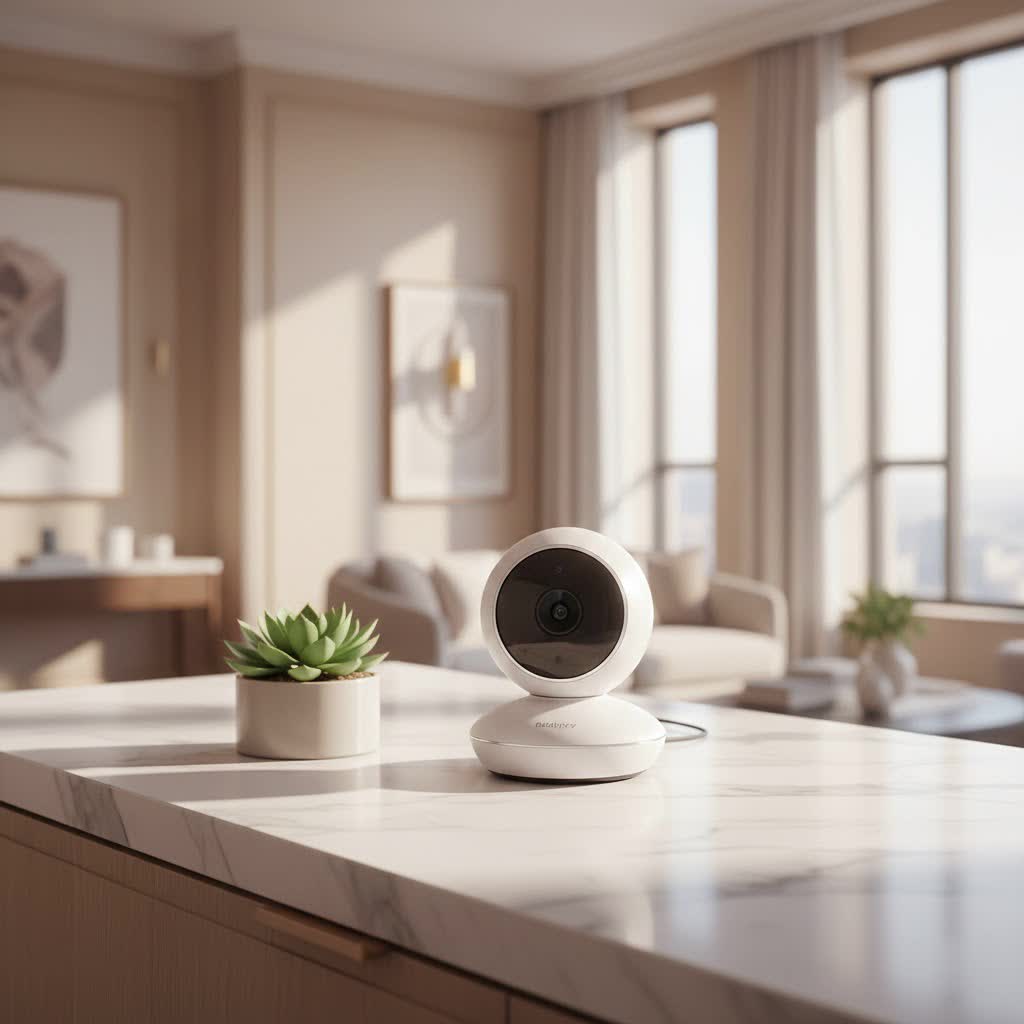
A babyphone, often called a baby monitor, is an electronic device used to remotely listen to or watch a baby. It typically consists of a transmitter unit (the camera or microphone) placed near the baby and a receiver unit (the parent unit) carried by the parent. For many, a babyphone is an indispensable tool, offering the comfort of knowing your baby is safe and sound, even when you’re in another room. It grants parents a degree of freedom, allowing them to tend to household chores, relax, or simply enjoy a quiet moment without constantly checking on their sleeping child.
Navigating the Different Types of Babyphones
Understanding the various categories of babyphones is the first step in identifying the best babyphone for your unique situation. Each type offers distinct advantages and caters to different parental needs and preferences.
Audio-Only Babyphones: The Tried and True
|
Our Picks for the Best Baby Monitor in 2026
As an Amazon Associate I earn from qualifying purchases.
|
||
| Num | Product | Action |
|---|---|---|
| 1 | HelloBaby 6\'\' World First IPS 30H Battery Split-Screen Video Baby Monitor with Camera and Audio, No WiFi, Pan-Tilt-Zoom, VOX, 2-Way Talk, Night Vision, 8 Lullabies, 1000ft, for New Parents/Elderly |

|
| 2 | Baby Car Camera for Kids - 5\" 1080P IPS Suction Cup Monitor, 120° Wide-Angle & 360° Rotatable, IR Night Vision Easy Installation Backseat |
|
| 3 | HelloBaby 4.3\'\' Video Baby Monitor with 30 Hours Battery, Remote Pan-Tilt-Zoom Baby Monitor No WiFi, Baby Monitor with Camera and Audio, Night Vision, ECO Mode, Two-way Talk, 8 Lullabies, 1000ft Range |
|
| 4 | HelloBaby No WiFi Baby Monitor 5\" Screen 30-Hour Battery Pan-Tilt-Zoom Video Upgrade with Camera and Audio, Night Vision, VOX, 2-Way Talk, 8 Lullabies and 1000ft Range, HB6550 |
|
| 5 | HelloBaby Baby Monitor 6\" World First IPS Screen 30H Battery, Secure No WiFi, Pan Tilt Video Camera with Night Vision, VOX, 2-Way Talk, 1000ft, Portable Video Audio Monitor Ideal for Mom, Elderly, Pet |
|
| 6 | Jartoo 2K 5.5\" Video Baby Monitor with Camera and Audio,AI Cry Detect 1860ft Long Range Baby Monitor No WiFi Baby Camera Wireless,Clear Night Vision,ANC, 2-Way Talk,White Noise,6000mAh [2025 New] |
|
| 7 | VTech Upgraded Audio Baby Monitor with Rechargeable Battery, Long Range, and Crystal-Clear Sound |
|
| 8 | Baby Monitor with Camera and Audio, Video Baby Monitor No WiFi Night Vision 2.4\" LCD Screen Portable Baby Camera Monitor Alarm Lullaby Temperature Sensor and 1000ft, Ideal for Baby/Elderly/Pet |
|
| 9 | VTech VM819 Baby Monitor with Camera and Audio, 2.8” Screen Portable Baby Camera, Night Vision, 2-Way Audio, Temperature Sensor and Lullabies, Secure Transmission No WiFi, Ideal for Baby/Elderly/Pet |
|
| 10 | HelloBaby Upgrade 5’’ Baby Monitor with 30-Hour Battery, 2 Cameras Pan-Tilt-Zoom, 1000ft Range Video Audio Baby Monitor No WiFi, VOX, Night Vision, 2-Way Talk, 8 Lullabies and Temperature |
|
These are the simplest and often the most affordable baby monitors. They transmit sound from the baby’s room to the parent unit, letting you hear cries, coos, or any other sounds your baby makes. They are fantastic for those who prioritize simplicity, a long battery life, and often a more reliable, interference-free connection thanks to dedicated frequency bands (like FHSS – Frequency Hopping Spread Spectrum). If you primarily need to hear your baby and value straightforward functionality, an audio-only babyphone might be your perfect match.
Video Babyphones: See and Hear Every Moment
Stepping up from audio-only, video babyphones add a visual dimension to monitoring. They come in two main sub-types:
- Dedicated Monitor Video Babyphones: These models use a closed system, transmitting video and audio to a dedicated parent unit with a screen. They are generally less prone to Wi-Fi interference and often offer excellent privacy. Many come with essential features like night vision, two-way talk, and temperature sensors.
- Smart/Wi-Fi Video Babyphones: These connect to your home Wi-Fi network and transmit video and audio directly to your smartphone or tablet via an app. They offer unparalleled flexibility, allowing you to check on your baby from anywhere with an internet connection. Advanced features often include pan, tilt, and zoom (PTZ) cameras, sleep tracking, crying alerts, and even compatibility with smart home systems. If remote access and advanced features are high on your list, a smart babyphone could be the best babyphone for you.
Movement/Sensor Babyphones: Beyond Sight and Sound
For parents seeking an extra layer of reassurance, movement or sensor babyphones offer more specialized monitoring. These typically involve a pad placed under the baby’s mattress or a wearable sensor that tracks movement or breathing patterns. If no movement is detected for a set period, an alarm sounds. Some advanced video babyphones now integrate these sensor capabilities directly, creating an all-in-one monitoring solution. These are particularly chosen by parents who might have specific concerns about their baby’s breathing or sleep patterns.
Essential Features to Look for in the Best Babyphone
When evaluating potential candidates for the best babyphone, a comprehensive understanding of key features will empower your decision-making.
- Night Vision: Absolutely crucial for video monitors. Infrared night vision allows you to see your baby clearly even in a completely dark room.
- Two-Way Talk: This feature lets you speak to your baby through the parent unit or app, offering comfort with your voice without needing to enter the room.
- Temperature & Humidity Sensors: Knowing the room temperature helps ensure your baby isn’t too hot or cold, contributing to a safer sleep environment.
- Long Range & Strong Signal: Essential for larger homes or if you plan to use the monitor outdoors. Look for models with a reliable signal that won’t drop out.
- Battery Life: A good battery life on the parent unit means less frequent charging and more flexibility for you to move around.
- Secure Connection: For all babyphones, but especially Wi-Fi models, security is paramount. Look for strong encryption (like AES 128-bit) and two-factor authentication to protect your privacy. ” ‘While the allure of smart features is strong, always double-check the encryption and privacy policies of any Wi-Fi enabled babyphone,’ warns Mr. David Chen, a Smart Home Security Specialist. ‘Your little one’s privacy is non-negotiable.’ “
- Pan, Tilt, Zoom (PTZ): For video monitors, these functions allow you to remotely adjust the camera’s view, perfect for tracking a rolling baby or viewing different angles of the crib.
- Lullabies & White Noise: Some monitors come with built-in sounds that can help soothe your baby to sleep.
- App Connectivity & Smart Features: If you choose a Wi-Fi babyphone, check the app’s reviews and the range of smart features offered, such as sleep tracking, crying alerts, and event logging.
- Sound Activation/VOX Mode: This conserves battery by only activating the monitor when sound is detected, meaning you only hear your baby when they actually make noise.
How to Choose the Best Babyphone for Your Family’s Needs
Finding the best babyphone isn’t a one-size-fits-all endeavor. It’s about matching the device to your family’s unique lifestyle and priorities.
- Consider Your Home Size and Layout: For larger homes or properties with thick walls, a monitor with a strong range and reliable signal is crucial. Wi-Fi models offer unlimited range (as long as you have internet), while dedicated monitors have a fixed maximum range.
- Think About Your Budget: Babyphones range significantly in price. Decide what you’re willing to spend and then look for the best features within that budget. Remember, the most expensive isn’t always the best fit.
- Prioritize Features: Make a list of “must-have” features (e.g., night vision, two-way talk) and “nice-to-have” features (e.g., lullabies, sleep tracking). This helps narrow down your choices.
- Security and Privacy Are Paramount: Especially with Wi-Fi models, ensure the brand has a strong reputation for data security and privacy. Change default passwords immediately.
- Read Reviews: Actual user experiences can provide invaluable insights into a monitor’s real-world performance, reliability, and any potential quirks.
- Future-Proofing Your Purchase: Consider if the monitor can adapt as your child grows. Features like two-way talk or remote pan/tilt can be useful for toddlers too.
” ‘Choosing the right babyphone isn’t just about features; it’s about finding the peace of mind that allows you to parent confidently,’ advises Dr. Anya Sharma, a renowned Pediatric Tech Consultant. ‘Prioritize secure connections and reliability above all else.’ “
Setting Up Your Babyphone: A Quick Start Guide
Once you’ve selected the best babyphone, setting it up properly ensures optimal performance and safety.
- Unbox and Place: Carefully unbox all components. Position the camera or audio unit securely near the crib, ensuring it’s out of reach of your baby (at least 3 feet away) and that no cords are dangling.
- Power Up: Plug in both the baby unit and the parent unit. Fully charge the parent unit’s battery before its first use.
- Pairing Units: For dedicated monitors, the units are often pre-paired or can be paired with a simple button press, following the manufacturer’s instructions.
- Connecting to Wi-Fi (if applicable): If you have a smart babyphone, download the companion app. Follow the in-app instructions to connect the baby unit to your home Wi-Fi network. This usually involves scanning a QR code or entering your Wi-Fi password.
- Test Range and Features: Move the parent unit to various locations in your home to test the signal strength. Experiment with all features, like night vision, two-way talk, and temperature sensors, to ensure they work as expected.
Common Babyphone Issues and Quick Fixes
Even the best babyphone can sometimes encounter minor hiccups. Here are some common issues and straightforward solutions:
- Interference: If you hear static or other noises, try moving the parent unit or baby unit away from other electronic devices (cordless phones, Wi-Fi routers, microwaves). Some dedicated monitors allow you to change channels to find a clearer frequency.
- Connectivity Drops: For Wi-Fi monitors, ensure your Wi-Fi signal is strong in the baby’s room. Consider a Wi-Fi extender if the range is an issue. For dedicated monitors, check that you’re within the specified range.
- Battery Drainage: This is often a sign that the battery is old and needs replacement, or the parent unit is constantly displaying video. Adjust settings to use VOX mode or turn off the screen when not actively viewing.
- Picture/Sound Quality: Ensure the camera lens is clean and unobstructed. For Wi-Fi models, a slow internet connection can degrade quality; try reducing the video resolution in the app if available.
- Wi-Fi Security Tips: Always use a strong, unique password for your Wi-Fi network and your babyphone app. Enable two-factor authentication if offered, and regularly update the monitor’s firmware.
Expert Insights: What the Pros Say About Babyphone Choices
Navigating the world of baby monitors can be daunting, but drawing on expert advice helps clarify the path. Dr. Anya Sharma, a renowned Pediatric Tech Consultant, emphasizes, “Choosing the right babyphone isn’t just about features; it’s about finding the peace of mind that allows you to parent confidently. Prioritize secure connections and reliability above all else.” This highlights the core emotional benefit a good babyphone provides.
From a technical standpoint, Mr. David Chen, a Smart Home Security Specialist, offers a crucial caution regarding smart babyphones: “While the allure of smart features is strong, always double-check the encryption and privacy policies of any Wi-Fi enabled babyphone. Your little one’s privacy is non-negotiable.” His advice underscores the importance of digital security in an increasingly connected world. These insights reinforce that the best babyphone is one that not only functions well but also offers peace of mind through both its performance and its security.
Frequently Asked Questions (FAQ)
Q: Are Wi-Fi babyphones secure?
A: While convenient, Wi-Fi babyphones can be vulnerable if not properly secured. Look for models with strong encryption (e.g., AES 128-bit) and two-factor authentication. Always change default passwords and keep firmware updated.
Q: How far can a babyphone reach?
A: The range varies significantly. Dedicated audio and video monitors can typically reach between 500 to 1000 feet in open spaces, with less range indoors. Wi-Fi babyphones have an “unlimited” range as long as both units have an internet connection.
Q: Do I really need a video babyphone?
A: It depends on your preference. An audio-only babyphone is sufficient for hearing your baby. However, a video babyphone offers added reassurance by allowing you to visually check on your baby without entering the room, which many parents find invaluable.
Q: What is VOX mode?
A: VOX mode, or Voice Activated Transmission, is a power-saving feature that keeps the monitor silent until a sound above a certain threshold is detected from the baby’s room. This prevents constant background noise and conserves battery life.
Q: How do I prevent babyphone interference?
A: To prevent interference, try moving your babyphone away from other electronics like cordless phones, Wi-Fi routers, microwaves, and even strong light sources. Ensure your babyphone operates on a clear frequency if it’s a dedicated model, or ensure good Wi-Fi signal strength for smart monitors.
Q: Can I use my phone as a babyphone?
A: Yes, there are many apps that turn two smartphones into a babyphone. While convenient for occasional use, dedicated babyphones often offer more reliable connections, better battery life, and specialized features like night vision and temperature sensors.
Conclusion
Choosing the best babyphone is a significant decision for any parent, directly impacting your peace of mind and daily routine. By understanding the different types, prioritizing essential features, and considering your family’s unique needs, you can confidently select a monitor that provides reliable surveillance and precious reassurance. Whether you opt for a simple audio unit or a feature-rich smart video monitor, the goal remains the same: to keep your little one safe and allow you to navigate parenthood with greater confidence. Don’t hesitate to research, compare, and ultimately choose the babyphone that feels just right for your family, enabling you to cherish every moment of your baby’s journey.
