Bringing a new baby home is an exhilarating journey, filled with boundless joy, but often accompanied by a quiet undercurrent of anxiety, especially when your little one is sleeping. Many parents, myself included, have spent countless nights hovering over the crib, just to ensure that precious chest is gently rising and falling. This deep-seated desire for reassurance is exactly where an Infant Breathing Monitor steps in, offering a technological embrace designed to bring a little more tranquility to those tender early months.
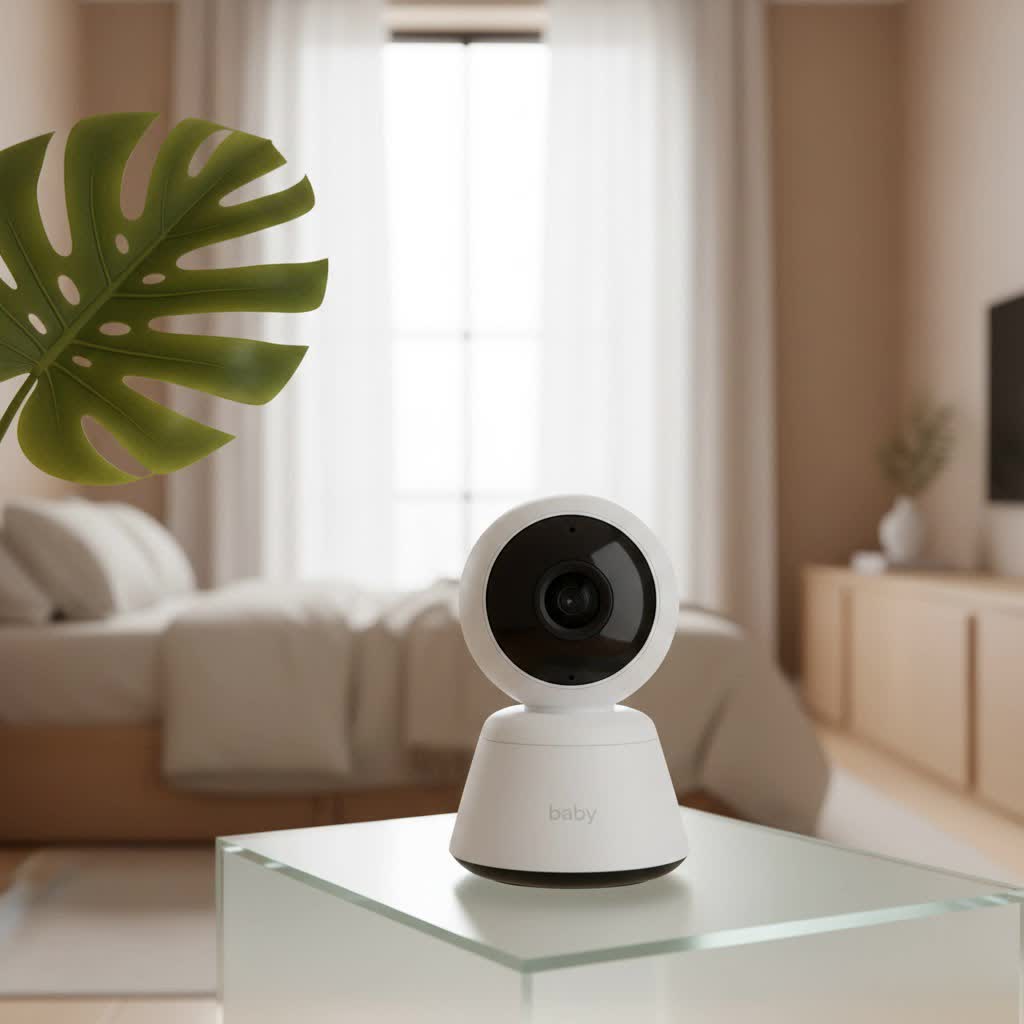
At Wocrt.com, we understand this profound need for peace of mind. With over a decade of experience in baby care technology, we’re here to demystify these devices, helping you understand their capabilities, limitations, and how to choose the perfect one for your family. An infant breathing monitor isn’t just a gadget; it’s a part of your extended support system, quietly working to let you rest a little easier.
What Exactly is an Infant Breathing Monitor?
At its core, an infant breathing monitor is a device designed to track your baby’s respiratory movements and, in some cases, other vital signs, while they sleep. Parents often consider them to alleviate the common anxieties associated with infant sleep, providing an extra layer of awareness. These monitors work by detecting subtle movements, alerting you if these movements become irregular or cease for a specified period.
It’s crucial to understand that these consumer devices primarily monitor movement patterns. They are not medical devices designed to diagnose, treat, or prevent any medical condition. While they can alert you to changes in your baby’s breathing patterns, they are not a substitute for safe sleep practices and do not prevent Sudden Infant Death Syndrome (SIDS). This distinction is vital for every parent to grasp, as their primary role is to offer peace of mind through vigilant monitoring of physical activity.
Types of Infant Breathing Monitors: Finding Your Match
The market for infant breathing monitor systems has expanded significantly, offering various technologies to suit different parental preferences and needs. Understanding the distinct types is the first step in making an informed decision.
Wearable Monitors (Smart Socks, Clip-ons)
|
Our Picks for the Best Baby Monitor in 2026
As an Amazon Associate I earn from qualifying purchases.
|
||
| Num | Product | Action |
|---|---|---|
| 1 | HelloBaby Upgrade 5’’ Baby Monitor with 30-Hour Battery, 2 Cameras Pan-Tilt-Zoom, 1000ft Range Video Audio Baby Monitor No WiFi, VOX, Night Vision, 2-Way Talk, 8 Lullabies and Temperature |

|
| 2 | Baby Monitor with Camera and Audio, Video Baby Monitor No WiFi Night Vision 2.4\" LCD Screen Portable Baby Camera Monitor Alarm Lullaby Temperature Sensor and 1000ft, Ideal for Baby/Elderly/Pet |
|
| 3 | HelloBaby 4.3\'\' Video Baby Monitor with 30 Hours Battery, Remote Pan-Tilt-Zoom Baby Monitor No WiFi, Baby Monitor with Camera and Audio, Night Vision, ECO Mode, Two-way Talk, 8 Lullabies, 1000ft Range |
|
| 4 | VTech VM819 Baby Monitor with Camera and Audio, 2.8” Screen Portable Baby Camera, Night Vision, 2-Way Audio, Temperature Sensor and Lullabies, Secure Transmission No WiFi, Ideal for Baby/Elderly/Pet |
|
| 5 | VTech Upgraded Audio Baby Monitor with Rechargeable Battery, Long Range, and Crystal-Clear Sound |
|
| 6 | HelloBaby 6\'\' World First IPS 30H Battery Split-Screen Video Baby Monitor with Camera and Audio, No WiFi, Pan-Tilt-Zoom, VOX, 2-Way Talk, Night Vision, 8 Lullabies, 1000ft, for New Parents/Elderly |
|
| 7 | Baby Car Camera for Kids - 5\" 1080P IPS Suction Cup Monitor, 120° Wide-Angle & 360° Rotatable, IR Night Vision Easy Installation Backseat |
|
| 8 | Jartoo 2K 5.5\" Video Baby Monitor with Camera and Audio,AI Cry Detect 1860ft Long Range Baby Monitor No WiFi Baby Camera Wireless,Clear Night Vision,ANC, 2-Way Talk,White Noise,6000mAh [2025 New] |
|
| 9 | HelloBaby No WiFi Baby Monitor 5\" Screen 30-Hour Battery Pan-Tilt-Zoom Video Upgrade with Camera and Audio, Night Vision, VOX, 2-Way Talk, 8 Lullabies and 1000ft Range, HB6550 |
|
| 10 | HelloBaby Baby Monitor 6\" World First IPS Screen 30H Battery, Secure No WiFi, Pan Tilt Video Camera with Night Vision, VOX, 2-Way Talk, 1000ft, Portable Video Audio Monitor Ideal for Mom, Elderly, Pet |
|
What are wearable infant breathing monitors? These monitors attach directly to your baby, often in the form of a soft sock or a clip that fastens to a diaper. They typically use pulse oximetry to track heart rate and oxygen saturation levels, or motion sensors to detect breathing movements.
These devices offer direct, continuous monitoring of key vital signs. Their portability means you can often use them in different sleeping environments, from the crib to a bassinet, or even when traveling. However, parents should consider the need for regular charging, potential issues with skin sensitivity, and the possibility of the monitor being dislodged by an active baby. Ensuring a proper fit is crucial to prevent false alarms and ensure accurate readings.
Under-Mattress Monitors
How do under-mattress infant breathing monitors work? These non-invasive monitors use sensitive pads placed directly under your baby’s mattress to detect subtle movements caused by breathing. They work by sensing changes in pressure or vibration as your baby inhales and exhales.
The main advantage here is that there’s no direct contact with your baby, which many parents appreciate. They are largely unobtrusive, and once installed, they require minimal fuss. However, their effectiveness can sometimes be influenced by the type of mattress (e.g., memory foam might reduce sensitivity) or external vibrations in the room. They are also stationary, meaning they are best suited for a single crib setup.
Video Monitors with Breathing Features
Can video monitors track breathing? Some advanced video baby monitors integrate features that monitor breathing patterns, often through specialized camera technology that detects micro-movements or using AI to analyze video feeds for subtle chest movements. Others combine a video monitor with a separate under-mattress or wearable sensor.
These all-in-one solutions offer the convenience of visual confirmation alongside breathing alerts. You can see your baby while also being notified of any anomalies in their breathing. While convenient, these systems can be more expensive. The accuracy of video-based breathing detection can also depend on factors like lighting conditions and camera positioning, so it’s wise to look for models that combine video with reliable physical sensors.
Key Features to Consider When Choosing an Infant Breathing Monitor
When you’re ready to select an infant breathing monitor, the sheer number of options can feel overwhelming. Focusing on these key features will help you narrow down your choices and find a device that truly meets your family’s needs.
Alert System Reliability
What makes an infant breathing monitor alert system reliable? A reliable alert system is paramount. Look for monitors that offer multiple types of alerts: audible alarms, visual indicators (like flashing lights), and smartphone notifications. The system should be loud enough to rouse you from sleep and distinct enough to grab your attention instantly. The ability to customize sensitivity settings can help minimize false alarms while still ensuring critical events are flagged.
Connectivity and Range
Which connectivity type is best for an infant breathing monitor? Monitors use various technologies, including Wi-Fi, DECT, or FHSS. Wi-Fi monitors often integrate with smartphone apps, offering remote monitoring and data tracking, but require a stable home network. DECT and FHSS monitors provide a secure, interference-free connection with a dedicated parent unit, typically with a specified range. Consider your home’s size and your desire for remote access when evaluating connectivity options.
Battery Life and Power Source
How important is battery life for a baby breathing monitor? For wearable or portable monitors, excellent battery life is crucial. You don’t want to constantly worry about recharging, especially overnight. Look for models with long-lasting rechargeable batteries and clear indicators of low power. For under-mattress units, consistent power via an AC adapter is usually standard, but battery backup for power outages can be a valuable feature.
Sensor Accuracy and Sensitivity
How accurate are infant breathing monitors? The core function of an infant breathing monitor hinges on its sensor accuracy and sensitivity. A good monitor should reliably detect your baby’s movements without being overly sensitive to external factors (like a pet jumping on the bed or vibrations from walking nearby). Adjustable sensitivity settings allow you to fine-tune the device to your baby’s specific movements and sleeping environment, helping to reduce frustrating false alarms.
Ease of Use and Setup
Is an infant breathing monitor difficult to set up? Ideally, your chosen monitor should be straightforward to set up and use, especially when you’re dealing with sleep deprivation. Look for intuitive controls, clear instructions, and a user-friendly app interface if applicable. A quick and easy installation process means you can focus more on your baby and less on wrestling with technology.
Data Tracking and Insights
What kind of data do infant breathing monitors track? More advanced monitors, particularly smart socks or app-integrated systems, can track historical data on breathing patterns, heart rate, and even sleep quality over time. These insights can be valuable for parents who like to observe trends and might want to share information with their pediatrician during routine check-ups.
Portability
Can I travel with an infant breathing monitor? If you plan to use the monitor in multiple locations—such as a nursery, a parent’s bedroom, or during travel—portability is a key consideration. Wearable monitors are typically the most portable, easily moving with your baby. Under-mattress monitors are less portable, being tied to a specific crib setup.
Are Infant Breathing Monitors Truly Necessary? Understanding the Pediatric Perspective
This is one of the most frequently asked questions we encounter at Wocrt.com. The straightforward answer, from a medical standpoint, is that infant breathing monitors are generally not considered medically necessary for healthy, full-term infants. Organizations like the American Academy of Pediatrics (AAP) do not recommend them as a strategy to prevent SIDS.
“While consumer infant breathing monitors can offer a powerful sense of reassurance for parents, it’s vital to understand they are not medical devices designed to prevent SIDS,” advises Dr. Eleanor Vance, a leading pediatric health technologist and long-time advocate for informed parenting. “The gold standard for reducing SIDS risk remains adhering strictly to safe sleep guidelines: back to sleep, a firm sleep surface, no loose bedding, and a separate sleep space for the baby for at least the first six months.”
So, why do parents choose them? For many, the value lies squarely in the “peace of mind” they provide. The anxiety of new parenthood is real, and for some, having an extra set of digital eyes and ears can significantly reduce stress, allowing them to sleep better and, in turn, be more rested and attentive parents. It’s about mitigating parental anxiety, not replacing medical advice or safe sleep practices.
Setting Up Your Infant Breathing Monitor for Optimal Performance
Once you’ve chosen your infant breathing monitor, proper setup is key to its effectiveness and to minimize false alarms. Don’t rush this step!
Read the Manual
Why is reading the manual for a baby monitor important? This might seem obvious, but it’s the most crucial step. Every infant breathing monitor is designed differently, and the manufacturer’s instructions contain specific guidance for installation, calibration, and troubleshooting unique to your model. Skipping this can lead to frustration and inaccurate readings.
Placement Matters
Where should I place an under-mattress breathing monitor? For under-mattress monitors, ensure the sensor pad is correctly positioned under the mattress, typically in the center where your baby’s chest will lie. Make sure the mattress is firmly on the pad. For wearable monitors, ensure a snug, comfortable fit that doesn’t restrict your baby’s movement but is secure enough to maintain contact. Avoid overly loose clothing that could interfere with sensors.
Testing Your Monitor
How do I test my infant breathing monitor? Before its first use with your baby, always test the monitor. Place a teddy bear or doll on the pad (for under-mattress models) or attach the wearable to yourself to simulate movement. Then, remove it and observe if the alarm triggers after the specified time. This confirms the system is working correctly.
App Integration
How do I connect my baby monitor to an app? If your monitor has app integration, follow the instructions to download the app, create an account, and pair your device. Ensure your Wi-Fi network is stable and correctly configured, as advised by the manufacturer, to prevent connectivity issues.
Common Concerns and Troubleshooting Tips
Even the best infant breathing monitor can present challenges. Knowing how to address common issues can save you a lot of worry.
False Alarms
What causes false alarms on infant breathing monitors? False alarms are perhaps the most common parental complaint. For under-mattress monitors, these can be caused by improper placement of the sensor pad, your baby rolling off the monitored area, or external vibrations (like someone walking heavily nearby or a fan creating subtle movement). Solutions include adjusting sensitivity, ensuring correct pad placement, and stabilizing the crib. For wearables, a loose fit, incorrect placement, or low battery are common culprits. Double-check fit and charge levels.
Connectivity Issues
My Wi-Fi baby monitor keeps disconnecting. What should I do? If you’re experiencing drops in connection, especially with Wi-Fi enabled monitors, check your home’s Wi-Fi signal strength in the nursery. Routers that are too far away or blocked by thick walls can cause interference. Try moving the monitor closer to the router or consider a Wi-Fi extender. Ensure the app and monitor firmware are up to date.
Battery Depletion
Why is my wearable breathing monitor’s battery dying so quickly? Regular charging is essential for wearable monitors. If battery life seems unusually short, check if the battery needs to be replaced (for older models with removable batteries) or if the charging cable/port is damaged. Some features, like continuous streaming or high alert sensitivity, can also consume more power.
Skin Irritation (for wearables)
My baby’s skin is red where the monitor was. What now? If your baby develops skin irritation from a wearable monitor, ensure the device isn’t too tight. Regularly clean the sensor area on the monitor and your baby’s skin according to manufacturer instructions. If the irritation persists, consult your pediatrician, and consider switching to a non-contact monitor type.
Your Wocrt.com Expert Advice on Infant Breathing Monitors
At Wocrt.com, our mission is to empower you with knowledge. While infant breathing monitor technology continues to evolve, our core advice remains consistent: use these tools wisely, as a complement to established safe sleep practices, not a replacement. They are there to support your vigilance, not to take it over.
“Embracing an infant breathing monitor can truly enhance a parent’s confidence,” notes Dr. Eleanor Vance. “However, it should never overshadow the fundamental principles of safe sleep. Always ensure your baby is sleeping on their back, in a firm crib free of blankets, bumpers, and toys. The monitor is a valuable secondary tool, not the primary safety measure.” This balance of technology and tried-and-true practices is what leads to truly peaceful nights.
Frequently Asked Questions About Infant Breathing Monitors
Q1: Do infant breathing monitors prevent SIDS?
A: No, infant breathing monitors are not medically proven to prevent SIDS (Sudden Infant Death Syndrome). Their primary purpose is to alert parents to changes in a baby’s breathing movements, offering peace of mind, but they do not actively prevent SIDS.
Q2: What’s the difference between a breathing monitor and a pulse oximeter?
A: A consumer-grade infant breathing monitor typically detects movement or lack thereof. A pulse oximeter, on the other hand, is a medical device that measures oxygen saturation levels in the blood and heart rate. While some high-end consumer monitors include pulse oximetry, it’s crucial to understand the distinction and consult a doctor for medical-grade monitoring.
Q3: How long should I use an infant breathing monitor?
A: Most parents use infant breathing monitor devices during the period of highest SIDS risk, which is typically the first six months to one year of life. The decision to stop using one is often a personal one, driven by increasing confidence as your baby grows and develops.
Q4: Can I use an infant breathing monitor for twins?
A: Yes, you can use infant breathing monitor systems for twins, but you will need separate monitors for each child. Under-mattress monitors are particularly important to use with distinct pads for each baby to ensure accurate individual readings and prevent cross-detection.
Q5: Are there any radiation concerns with Wi-Fi enabled monitors?
A: Wi-Fi enabled infant breathing monitor devices emit low levels of radiofrequency (RF) radiation, similar to other wireless household devices. While current scientific consensus indicates these levels are safe, some parents prefer non-Wi-Fi options like DECT or FHSS monitors if this is a concern.
Sweet Dreams and Informed Choices
Choosing an infant breathing monitor is a deeply personal decision, often guided by the powerful instinct to protect your little one. Our hope at Wocrt.com is that this comprehensive guide has equipped you with the knowledge and confidence to navigate this decision thoughtfully. Remember, these monitors are incredible tools for parental peace of mind, complementing—never replacing—the fundamental safe sleep practices that are the cornerstone of your baby’s well-being. By staying informed and making intentional choices, you can create a nurturing sleep environment where both you and your baby can truly rest easy. Explore more expert insights and product recommendations on Wocrt.com to further support your parenting journey.
